
Featured Article
The Flavour Index: Gin Edition
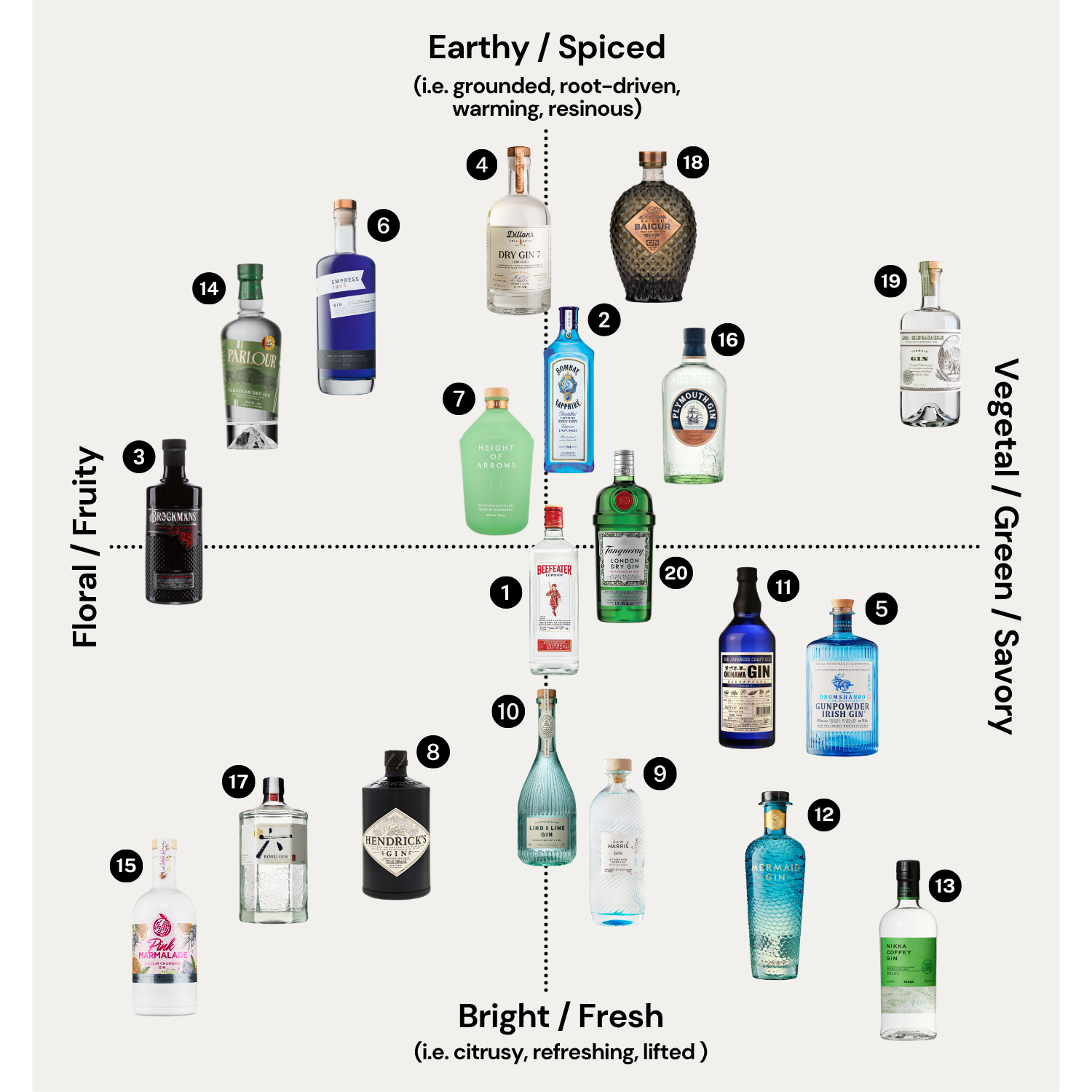
Fresh, aromatic, and endlessly expressive, gin is a spirit defined by its botanicals. At its core is juniper, but beyond that, distillers have near-total freedom to shape flavour through citrus, herbs, spices, florals, and more.
In this edition of The Flavour Index, we explore 20 gins with a range of styles and approaches, mapping how different botanical choices and production techniques influence their character. This is not an exhaustive list, but rather a starting framework for understanding how flavour is built in gin.
Latest Articles

What Makes Ontario Whisky Taste Like Ontario?
Every glass of whisky begins in a field. In Ontario, that story starts with corn and the conditions that help it thrive. Ask Dana Dickerson, Director of Market Development and Sustainability for Grain Farmers of Ontario, what shapes the province’s grain, and she points to soil, climate, drainage, and geology. Here, the relationship between land and flavour isn’t simply language borrowed from wine. It is the growing environment that shapes the corn long before that grain becomes the whisky in the glass.
What Makes a $50 Martini Actually Worth It?
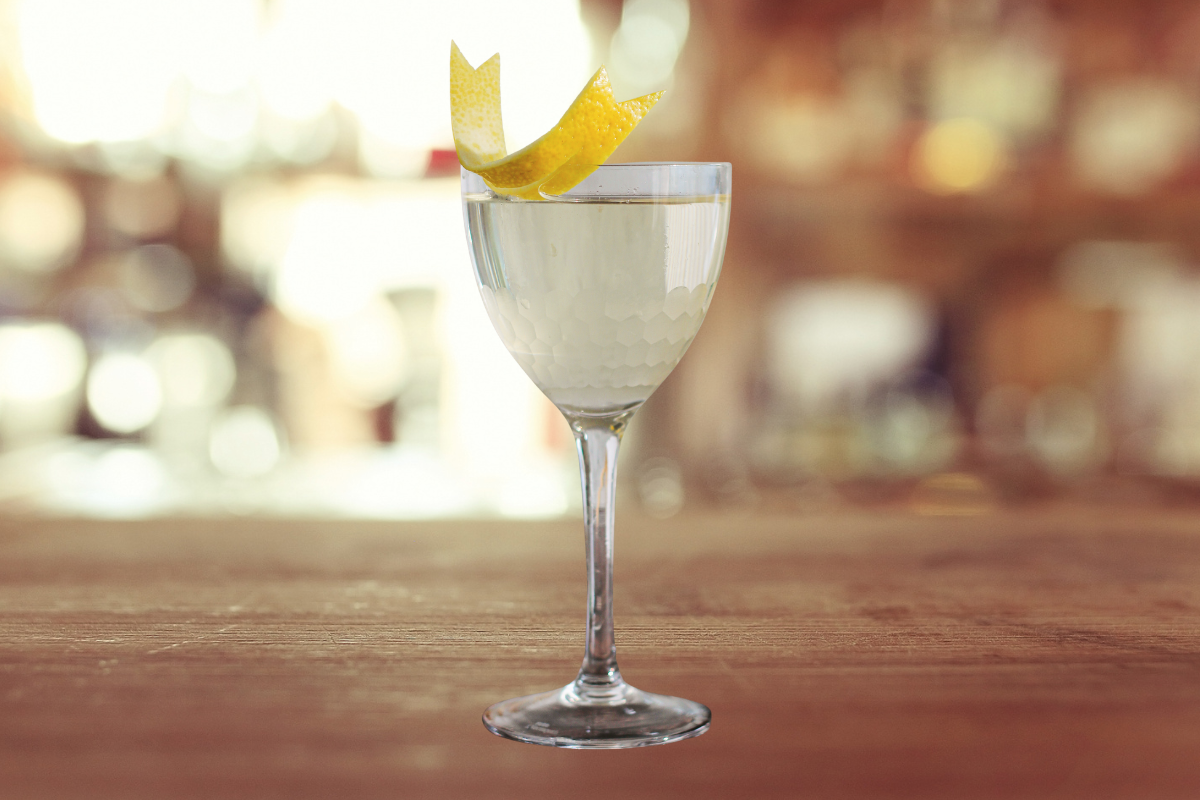
In London, many Martinis land around £20–30, which for a Canadian reads more like $40–60 CAD once the dust (and gratuities) settle. When a drink edges into that territory, expectation shifts. You’re no longer just ordering a cocktail. You’re buying into a standard. A promise that something about this Martini will justify the price, whether that’s the liquid itself, the way it’s made, or the way (and where) it’s delivered.
We went looking for that answer inside some of London’s most iconic bars. Not to rank them, but to understand what’s actually being paid for. Because once you strip the Martini back to its essentials, there’s nowhere to hide. No sugar, no citrus, no distraction. Just spirit, dilution, temperature, and intent. And at this level, every one of those decisions shows.
To Create, You Must Destroy: Andrés Faustinelli on the Birth of BEAR-BON Whisky
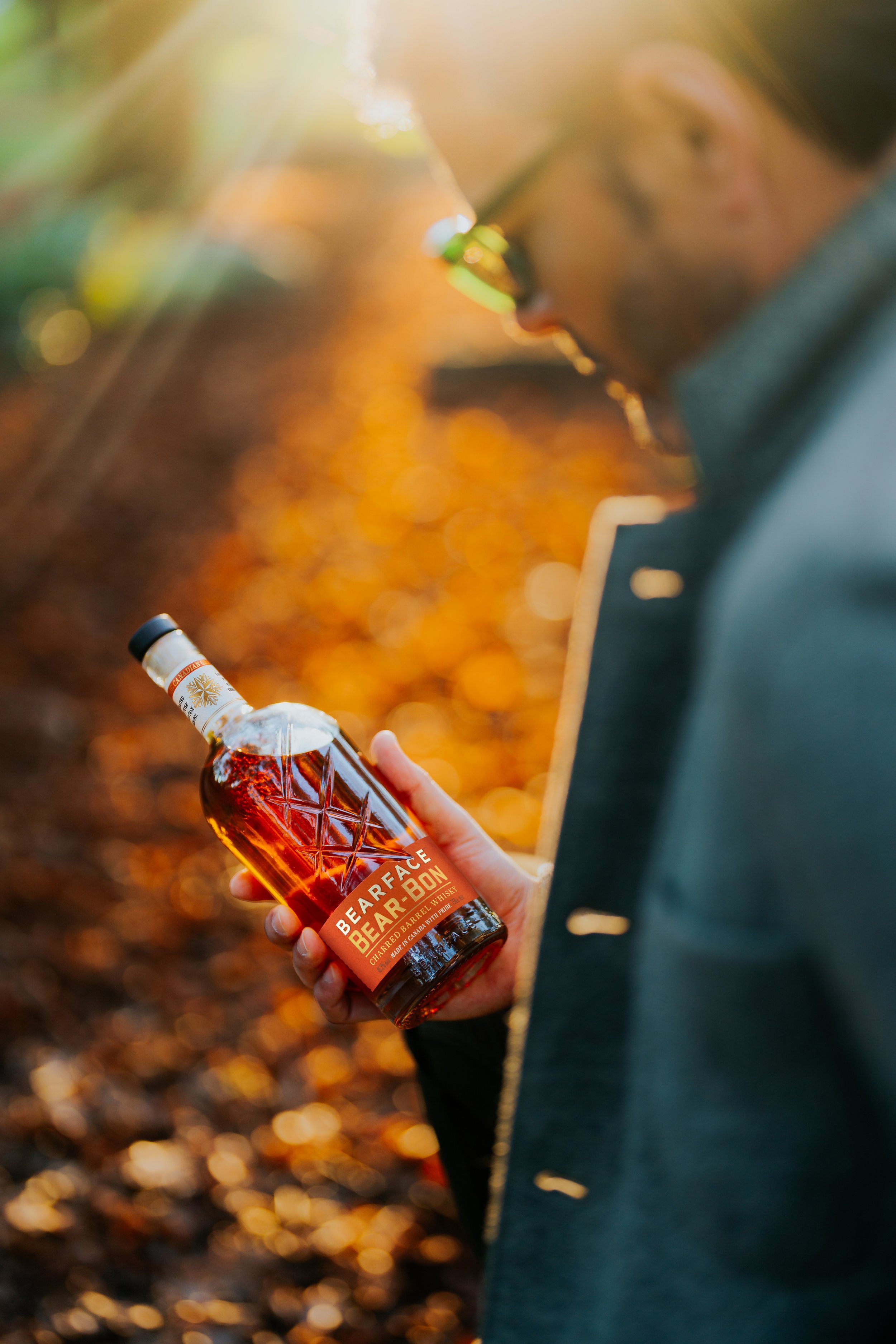
Since pioneering Elementally Aged® BEARFACE Triple Oak in 2018, Faustinelli has continued to push boundaries through the brand's Wilderness Series releases. But with BEARFACE BEAR-BON™ Charred Barrel Whisky, he has done something categorically different. He has dismantled his own framework and rebuilt it from the ground up — questioning every assumption that underpinned the BEARFACE story so far…
The Flavour Index: Gin Edition
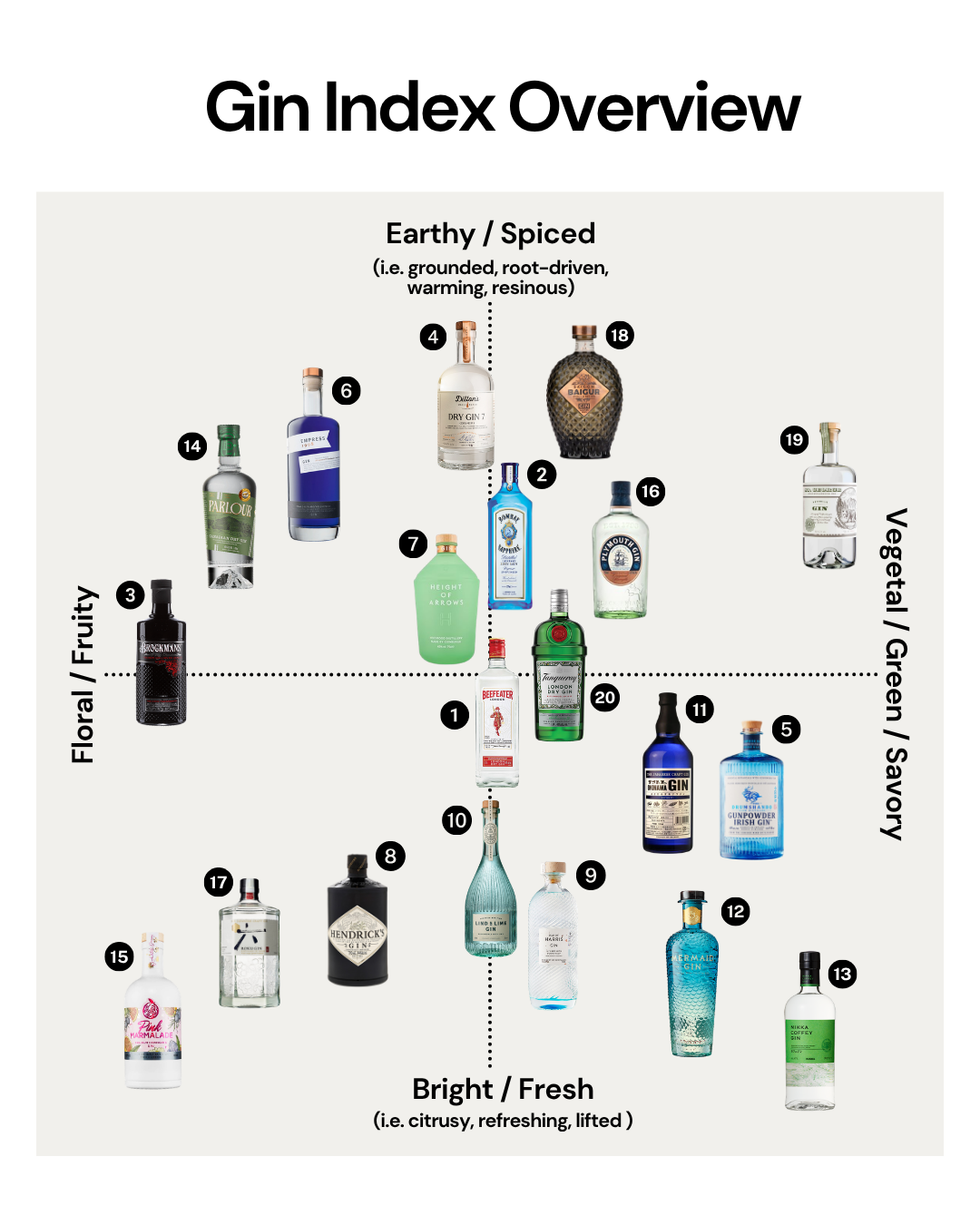
In this edition of The Flavour Index, we explore 20 gins with a range of styles and approaches, mapping how different botanical choices and production techniques influence their character. This is not an exhaustive list, but rather a starting framework for understanding how flavour is built in gin.
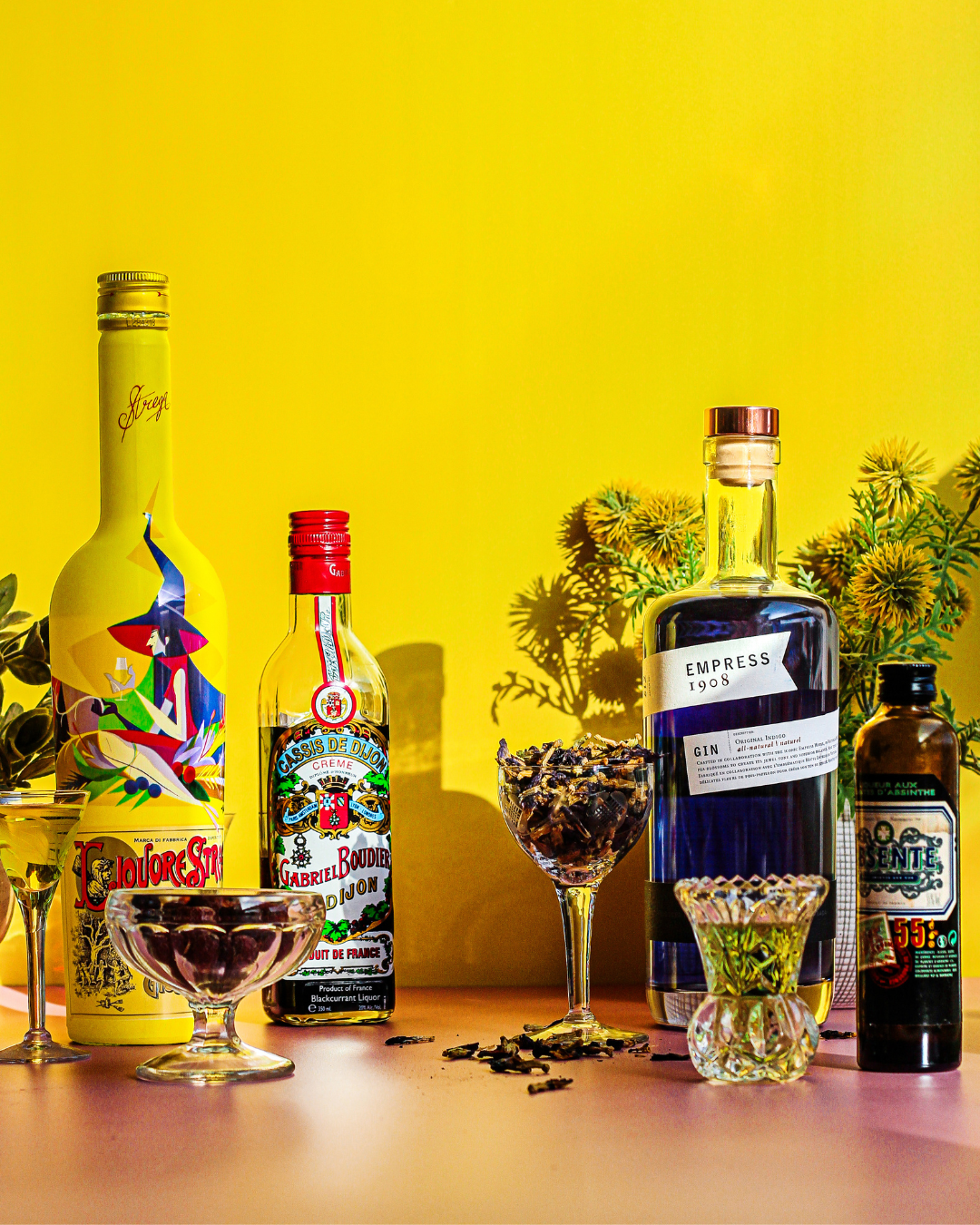
Tinted by Nature: The Botanicals Brightening Your Glass
Liquor shelves are brimming with brightly coloured bevies, but not all food dyes are alike. While most major distilleries use artificial colouring for its intensity and stability, many smaller distilleries are opting for a natural approach, using flora and fauna to add colour and flavour to their spirits.
Furthermore, most botanicals have a long history with humanity, which goes beyond colour and taste. Many hold medicinal and spiritual meaning for present and past cultures. Although these plants are safe to consume, it is important to do your homework before using them at home. After all, plants are powerful!
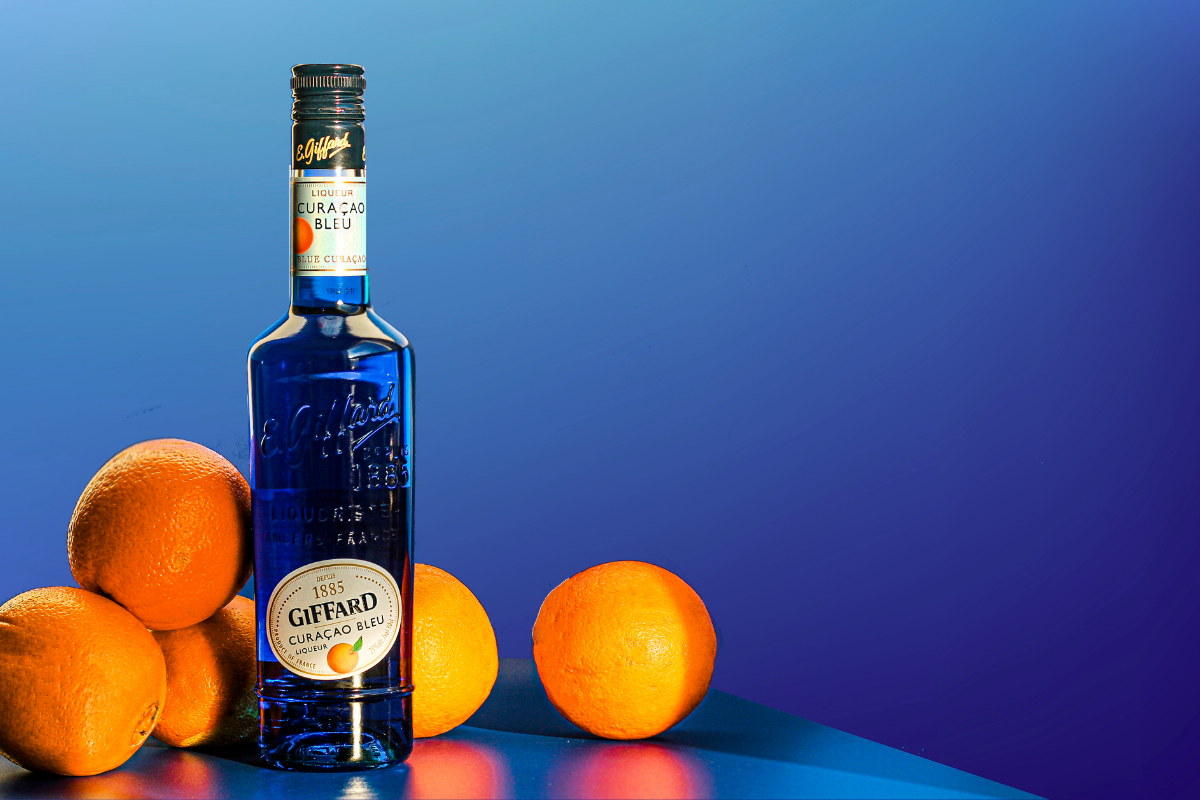
Curaçao: Should Blue be Taboo?
The color blue is a controversial topic in the world of spirits and cocktails. This is largely because very few natural coloring agents can create a stable, vibrant hue that resembles our favorite shades of blue—such as the clear summer sky, a stunning sapphire, or even a brand new pair of Levi's jeans.
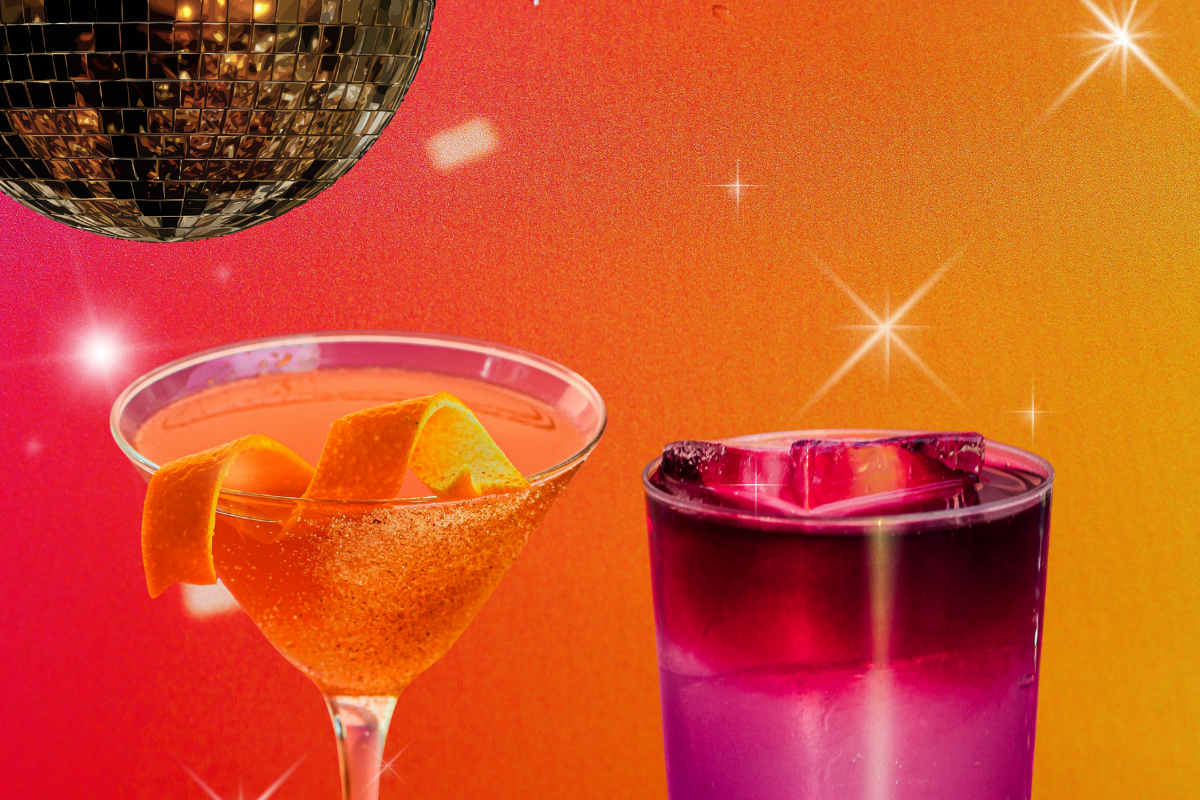
Disco Drinks
Disco drinks remind us that colour has always been part of cocktail language. Long before Instagram, bartenders were manipulating hue to signal sweetness, seduction, and spectacle under the mirrorball.
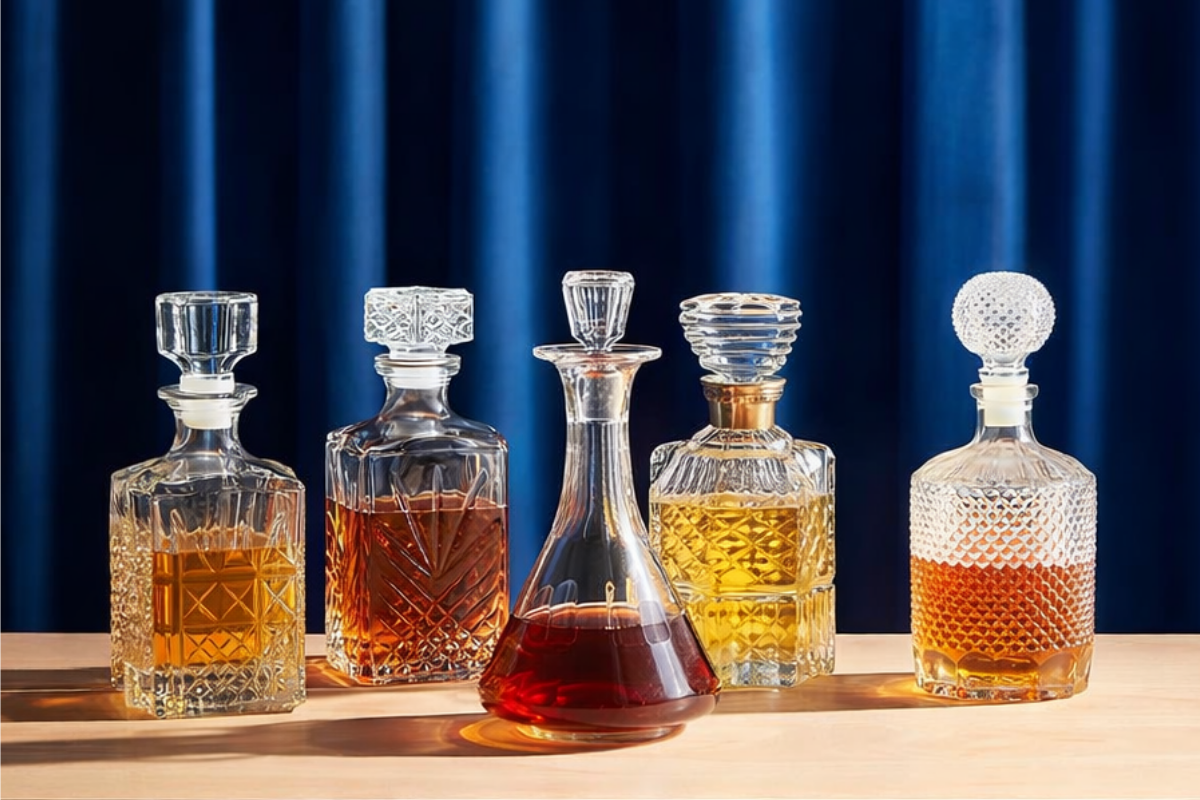
A Question of Taste: Should Caramel Colouring Belong in Spirits?
Caramel colouring might be one of the most debated ingredients in modern spirits. Labelled as E150a, it’s a form of plain caramel made by heating sugars, used primarily to adjust colour rather than flavour. You’ll find it most commonly in whisky, where producers use it to create consistency from batch to batch, ensuring the liquid in the glass matches what consumers expect on the shelf.
Supporters argue it’s a practical tool. A way to standardize appearance without materially affecting taste. Critics see it differently.
Colour, In Theory
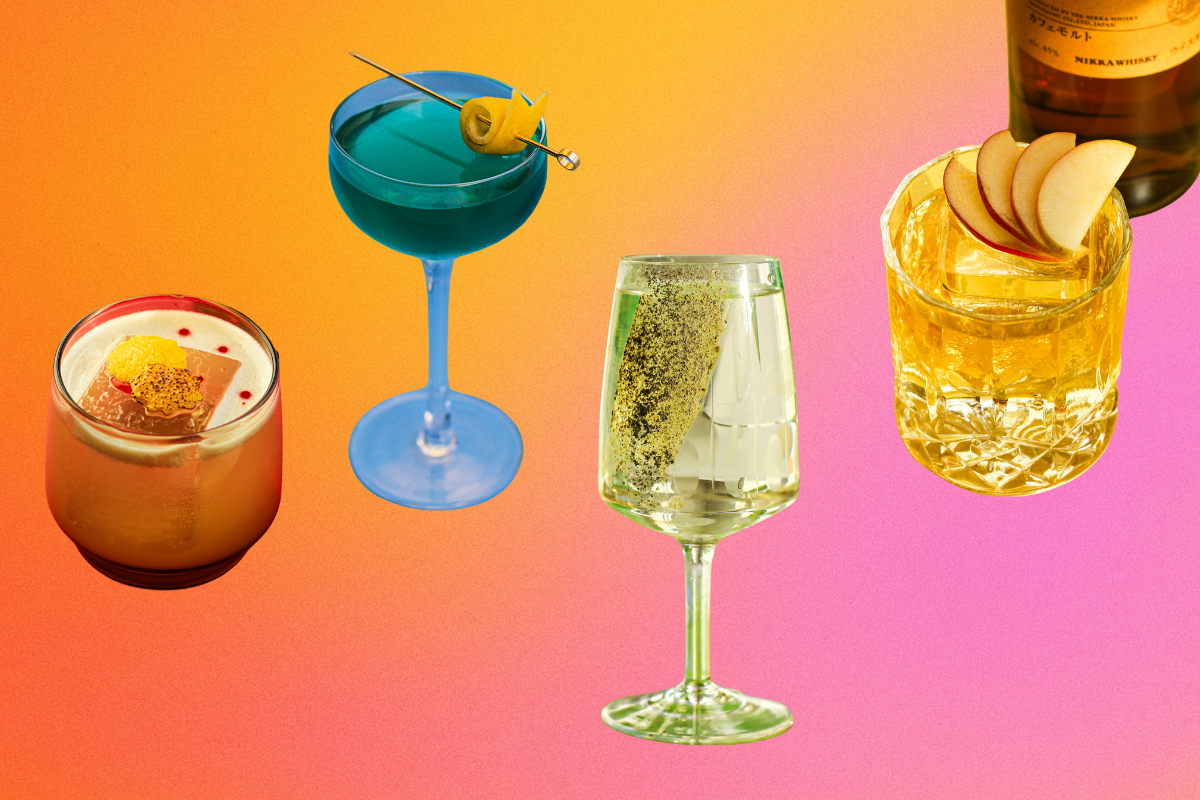
For our ‘One Bottle Three Ways’ series, we’re changing things up in this edition. Instead of building multiple drinks around a single bottle, we explored the full Nikka Coffey range, asking pro-bartender Kim Xie from Calgary, Alberta, to create a cocktail inspired by the colour of each label.

Maximalism Meets Malt
Over the last couple of years, bold, energetic launches of hotel bars have brought a new sense of style to Scotland’s finest destinations. With it, new visitors are invited to discover the fabulous flavours of whisky and mixology found up and down the country.
Blue: The Flavour We Can’t Agree On
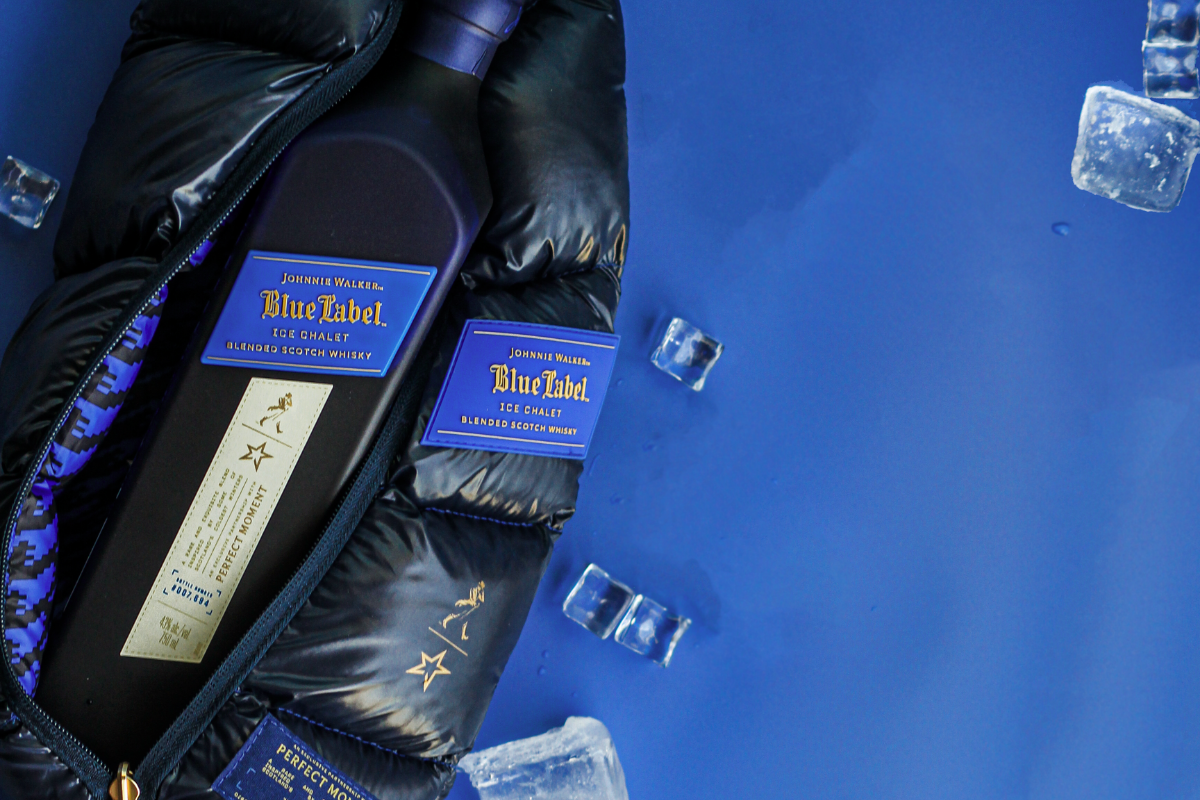
In a world where colour signals flavour, blue breaks the pattern. For this edition of the Conversation List, we leaned into the ambiguity. These are spirits that wear blue, are named blue, or feel blue in character. Think of this less as a verdict and more as a conversation with one colour, many hues.
Designing the Drink Experience
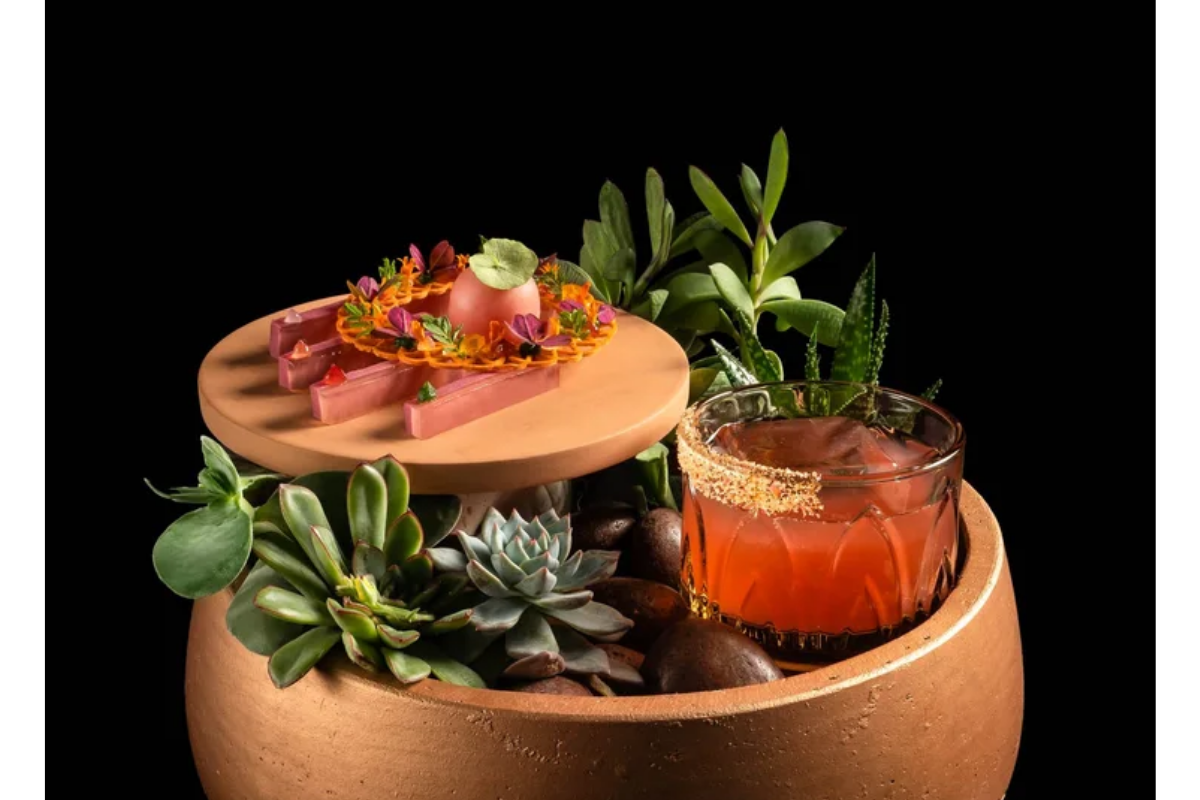
How can you capture the northern lights in a cocktail? Or create a space that invites guests to be a part of the process? Or take them on a journey to a forest floor in the middle of a concrete jungle?
Experimental bars in three very distinct North American cities are going beyond taste, creating immersive experiences that transport guests from one world to another.
Flavour Files: Bright is the Vibe for 2026
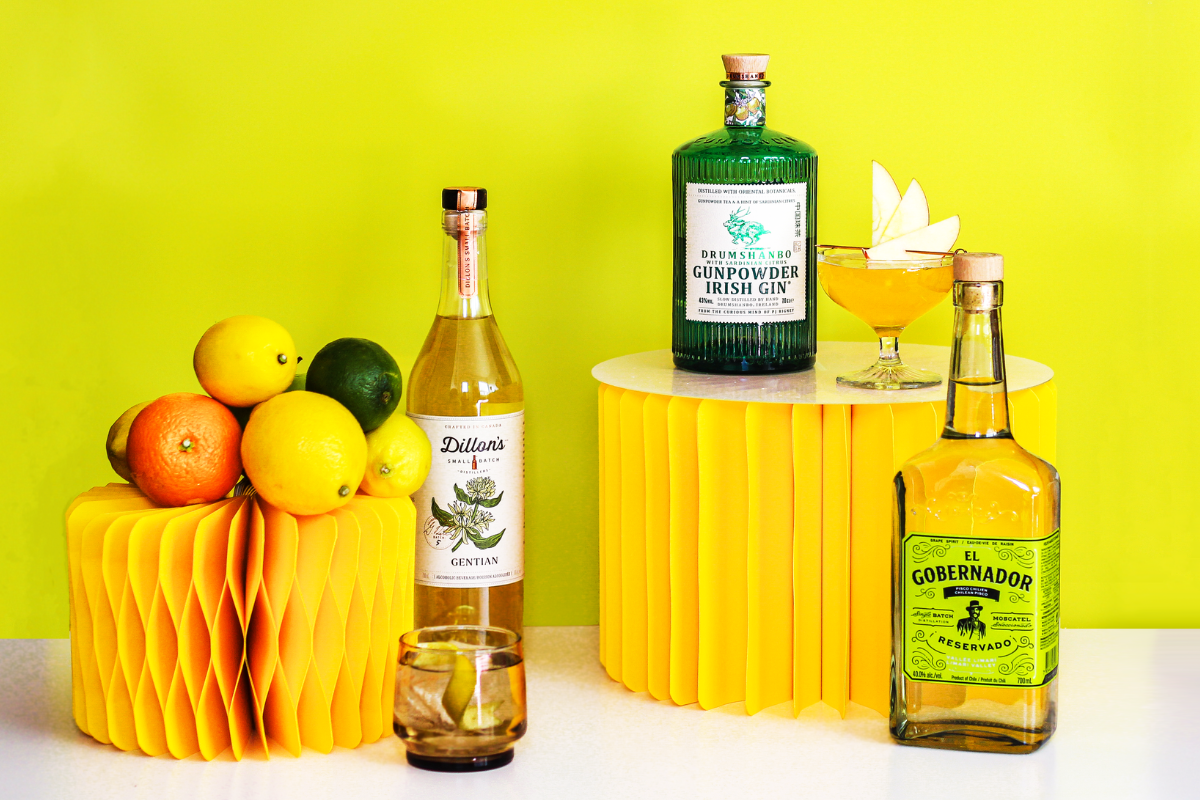
Each year, Flavor Camp names a flavour direction to capture the mood of how we want things to taste and feel. For 2026, we’ve selected Bright, a profile that brings clarity, energy, and lift to everything it touches.
The Taste of Sound, The Colour of Smell, and the Shape of Flavour
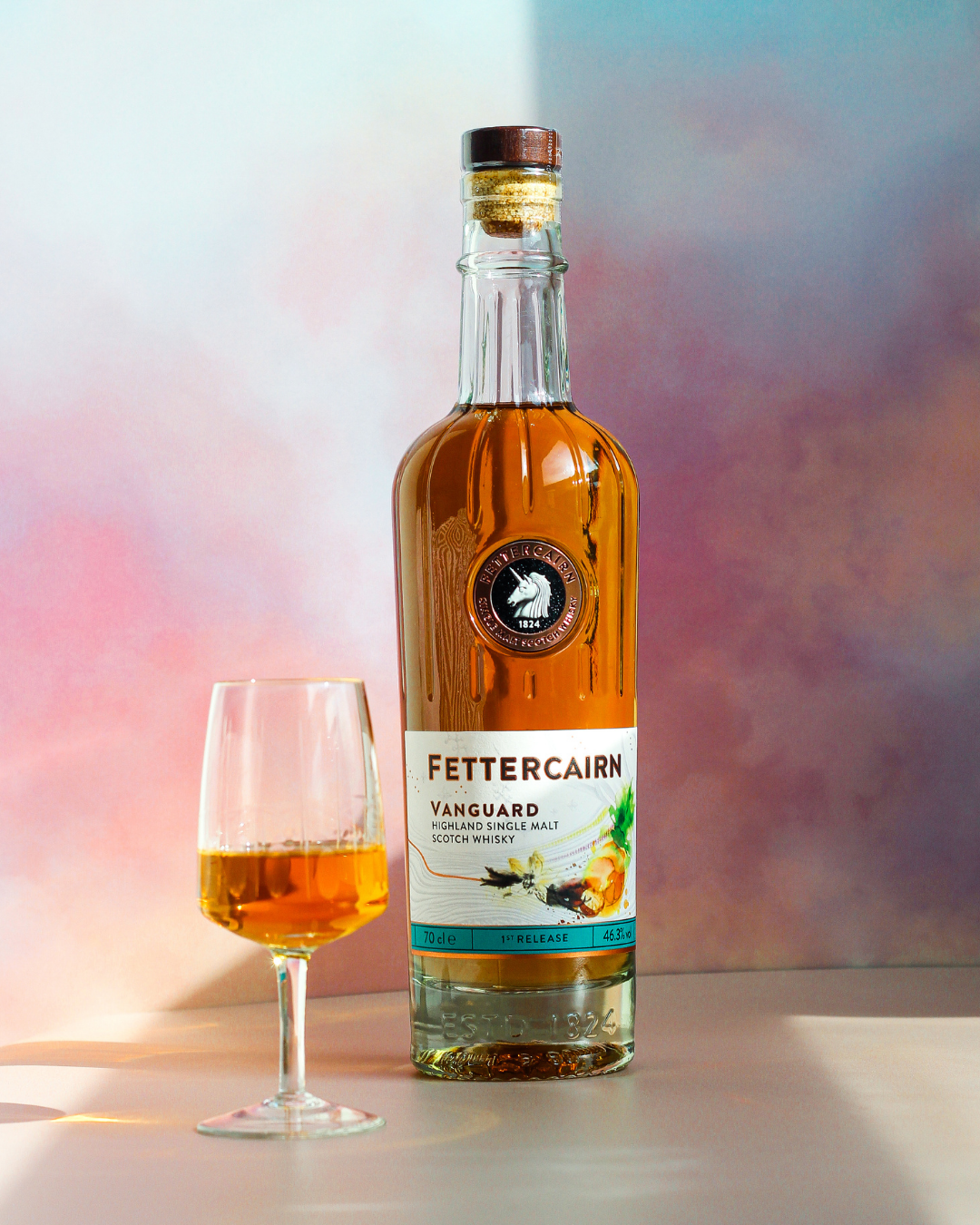
There are more than 80 types of synesthesia, or ways the human brain can cross its sensory wires. Experts who “taste” spirits through sound, vision and other sensory cues are speaking out—and changing the industry.
The Curious Colour of Clear Spirits
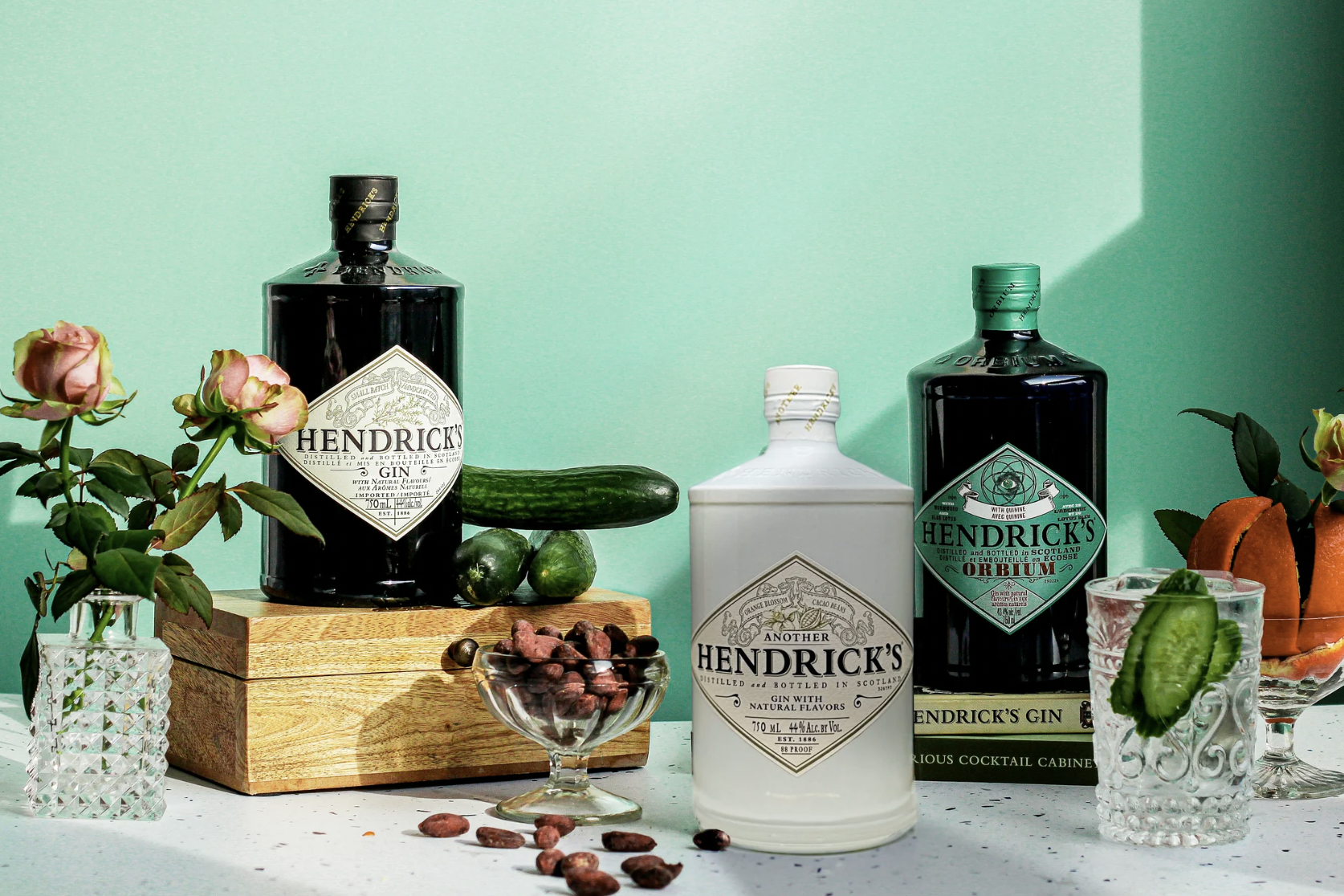
Gin may appear perfectly colourless in the glass, yet few spirits conjure such vivid imagery. One sip can suggest citrus groves, cool green gardens, pale florals, or the darker warmth of roasted spices. Hendrick’s has built its reputation on exactly this kind of sensory illusion. While the liquid itself remains clear, the flavours inside feel anything but.

From Field to Flask: The Corn Connection
Canadian whisky may be synonymous with rye, but look behind almost every glass and you’ll find corn quietly doing the heavy lifting. It’s the workhorse grain of the industry, prized for its high starch content, approachable sweetness, and ability to form the backbone of blends. And nowhere is corn’s role more central than Ontario, where nearly two-thirds of Canada’s corn is grown.

The Spirit of Here: Rethinking Vodka’s Blank Reputation
Vodka has long been the spirit people drink without talking about. It sits in nearly every home bar, behind every cocktail rail, and quietly fills more glasses than most of its rivals. Yet culturally, vodka is the quiet one in the room: present, relied upon, but rarely celebrated.

The Smartest Whisky Cocktail Is Also the Simplest
A refreshing highball is proof that less really can taste like more.

Sacred Serves: The Rituals That Make Drinking Human
Beverage rituals are usually encountered at one of two moments: when a drink is assembled, or when it is consumed. But no matter when or where the ritual takes place, doing or saying something special before you drink is an act of intentional threshold crossing and fellowship — it signals that the experience is about to begin and that everyone involved is partaking in good faith.

One Bottle Three Ways: Drambuie
Beverage rituals are usually encountered at one of two moments: when a drink is assembled, or when it is consumed. But no matter when or where the ritual takes place, doing or saying something special before you drink is an act of intentional threshold crossing and fellowship — it signals that the experience is about to begin and that everyone involved is partaking in good faith.