
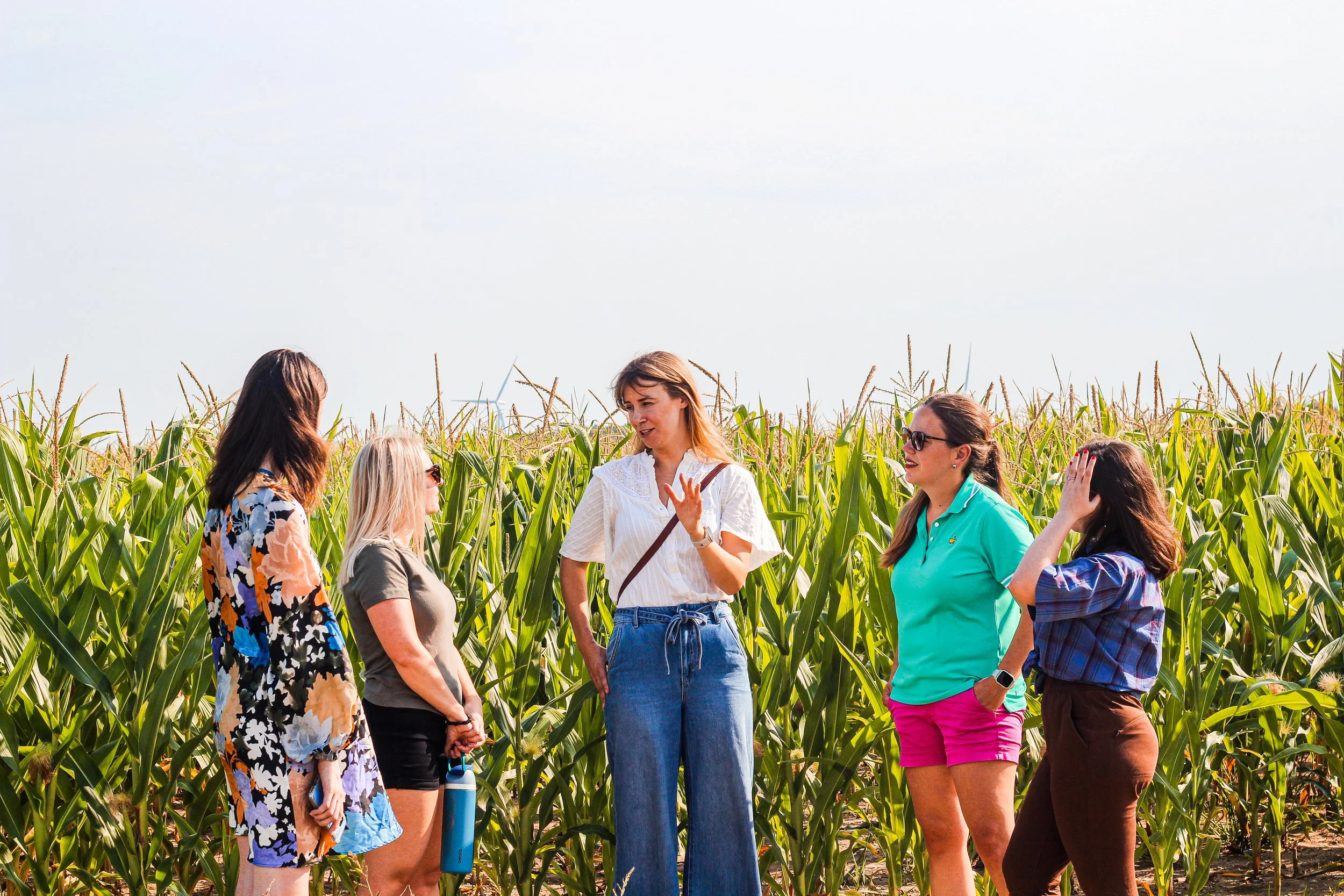
Field Notes are written on-site at distilleries, bars, restaurants and other flavour-driven experiences. Each piece captures the atmosphere, the people, and the tastes that shape today’s flavour landscape.
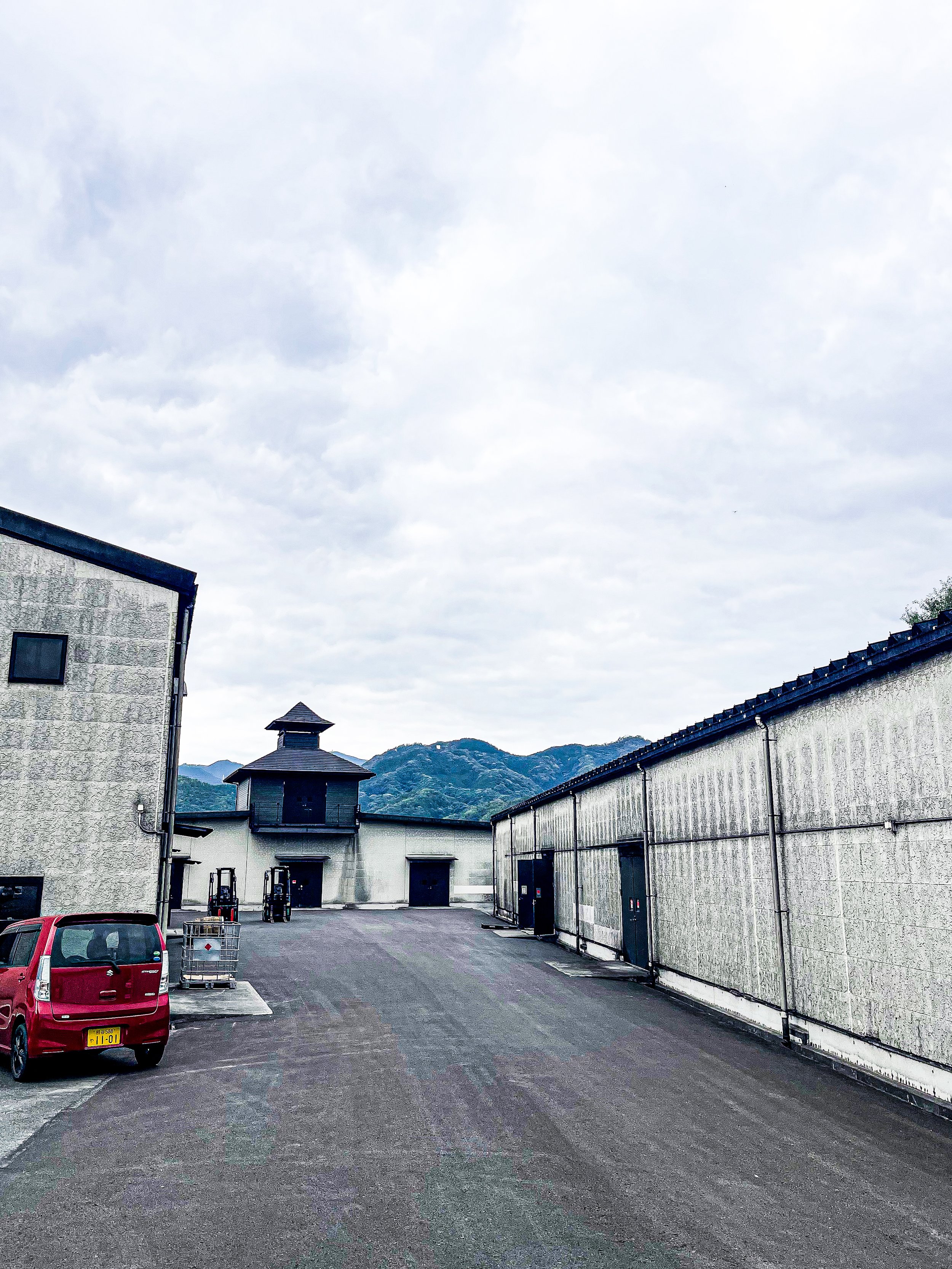
Chichibu Distillery: A Long Way for a Little Whisky
Chichibu is the creation of Ichiro Akuto, a name that has become almost synonymous with the modern Japanese whisky movement. His company, Venture Whisky, was established in 2004, with production at Chichibu beginning in 2008.
While Japanese whisky has enjoyed an extraordinary rise in international popularity, Chichibu has developed something of a cult following. Its releases are often difficult to find, frequently expensive, and highly sought after by collectors and enthusiasts alike.
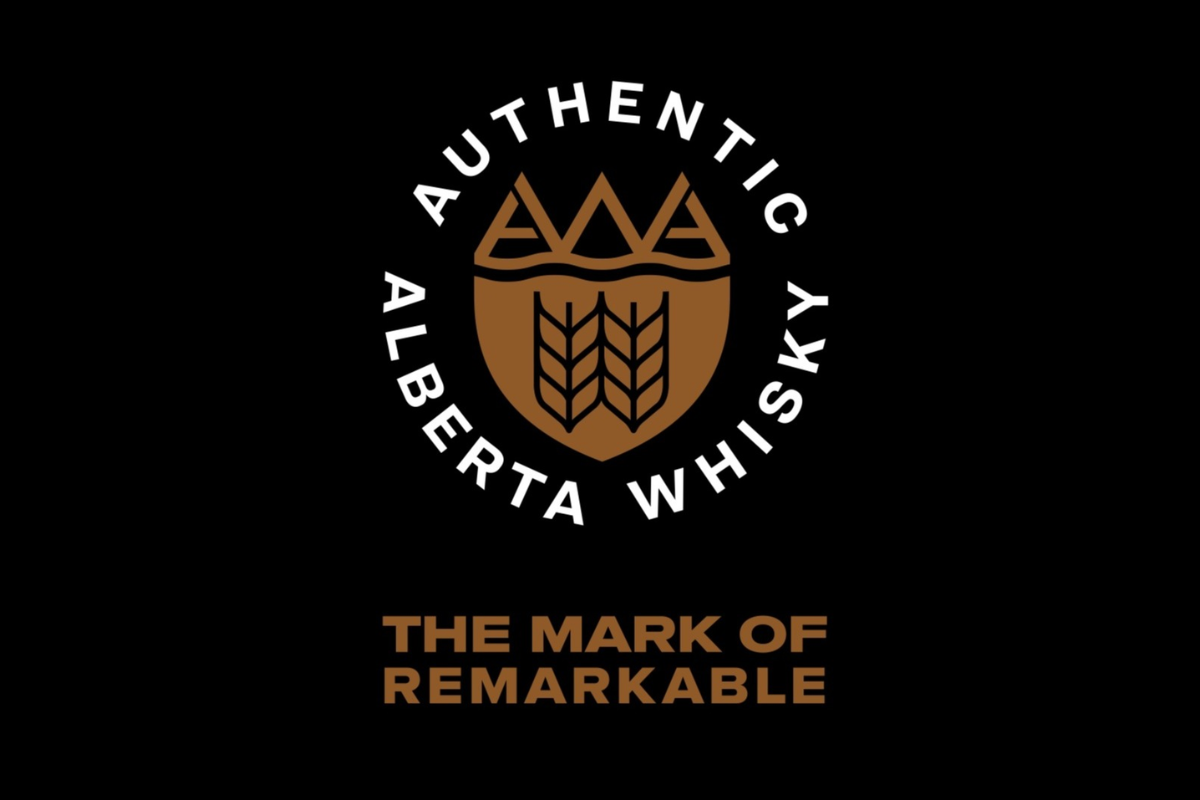
Putting the Stamp in Stampede: Alberta Unveils Its Official Whisky Logo
This Stampede, Alberta didn't just pour whisky. It legislated it. Five voices took the microphone at True Wild Distillery in Calgary, on the covered patio out back, string lights overhead, black steel pergola, the usual seating cleared to make room for a standing crowd. What they announced was a first for Canada: a legal definition, and a logo, behind the words "Alberta Whisky." True Wild hosted, but the room belonged to the whole province, a tasting table stocked with bottles from distilleries across Alberta and a crowd thick with the owners who made them.
Don’t Blend In, Instead Blend With the Best
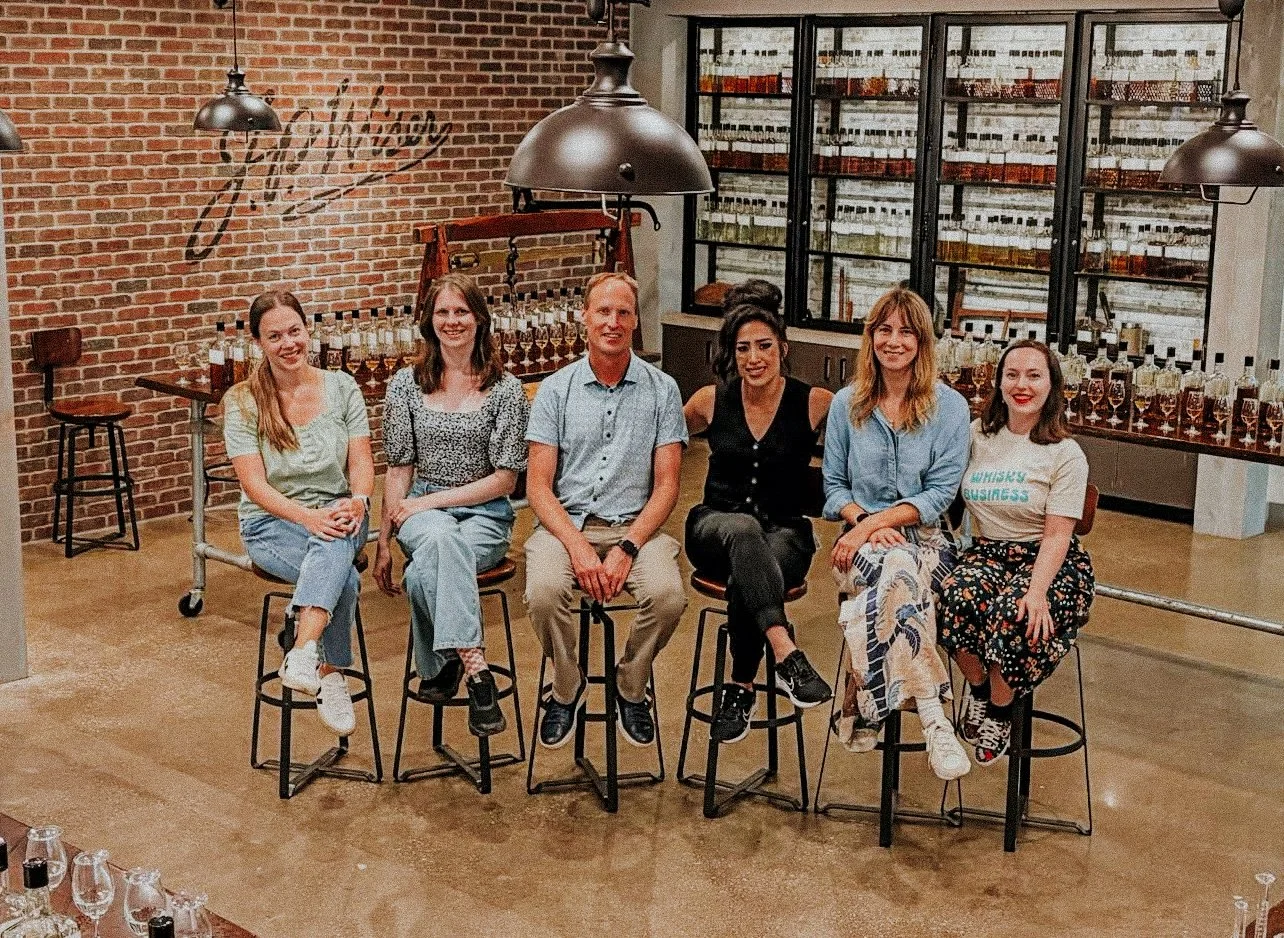
Ninety whiskies. Five tables. One master blender. At Hiram Walker, Dr. Don Livermore leads a blending experience that’s equal parts education and inspiration. From historic mash bills and grain distillates to 40-year-old corn whisky and ryes finished in Black Sea oak, it’s a sensory playground where chemistry meets creativity. Each participant crafts a personal signature blend, guided by the science of distilling and the magic of flavor. It’s Canadian whisky at its most interactive—hands-on, history-rich, and surprisingly accessible.
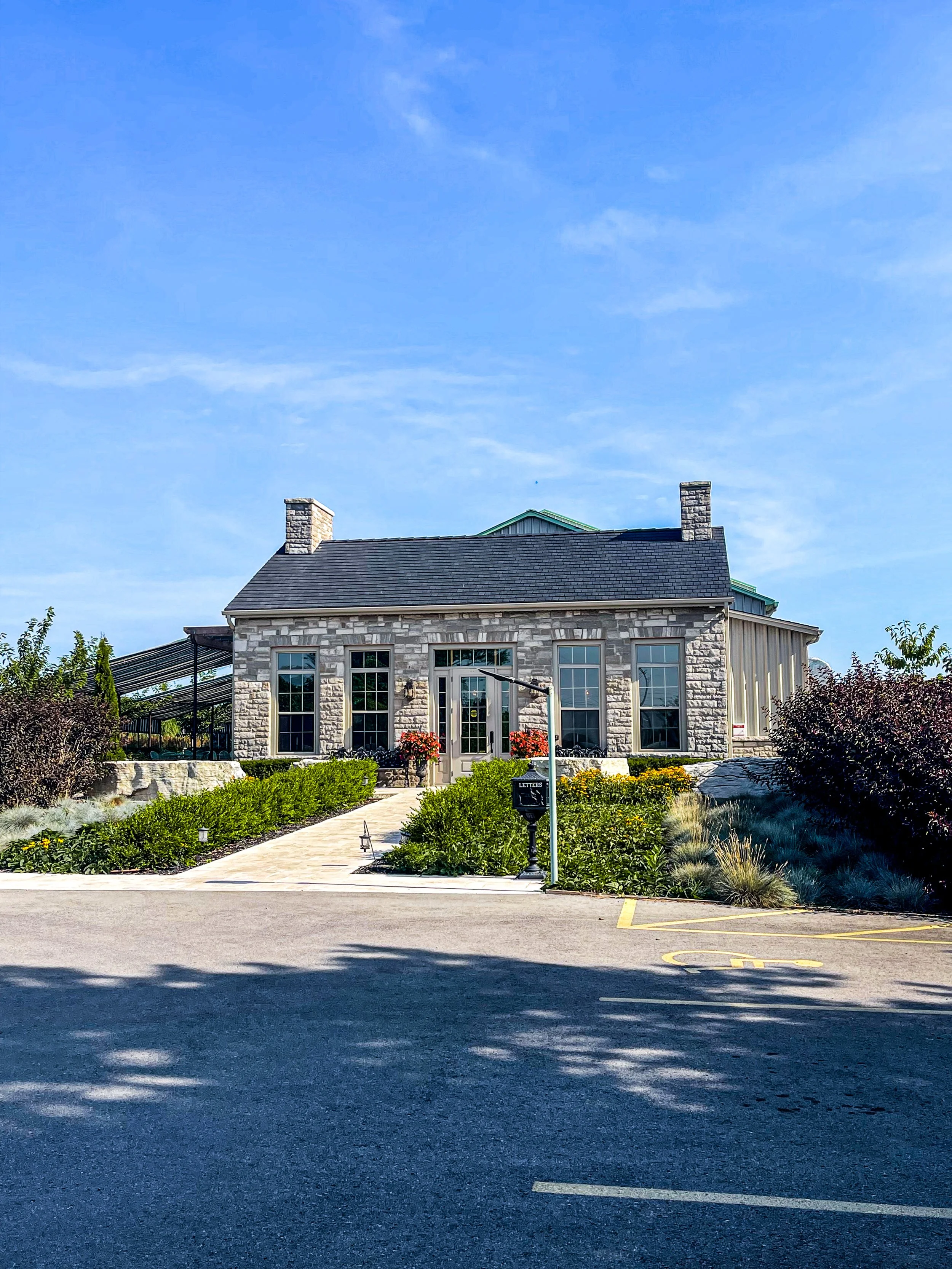
Spirit in Niagara: The Tender Side of Spirits
Fruit that doesn’t make it to grocery shelves finds new life at Spirit in Niagara. Here, bruised peaches, plums, and pears become crisp eau de vie, silky vodka, and even Canadian “Brrrbon.” It’s distilling with purpose, reducing waste while raising spirits.
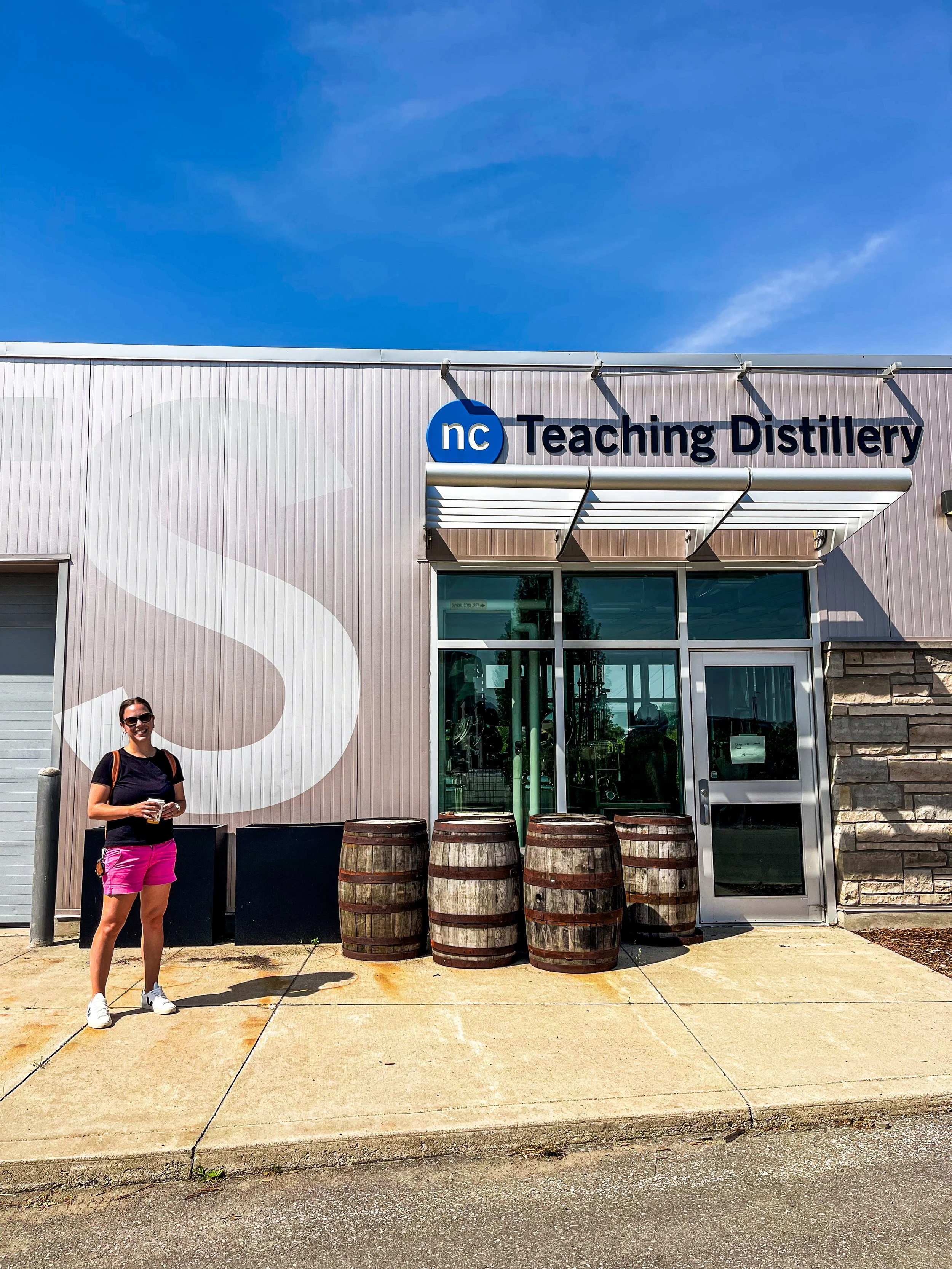
Niagara College: Higher Proof Education
In the heart of Ontario wine country, Niagara College has built something rare: a teaching distillery where education doesn’t stop at theory. Here, students learn the science, art, and business of distilling — and graduate with more than a certificate. They leave having made a real spirit that’s been bottled, labeled, and sold.

Dillon’s Distillery: Big Hair, Bigger Dreams
A distillery born out of stubborn innovation, hybrid stills, and a dream to make rye whisky in Canada, not “Canadian rye whisky.”

Forty Creek Distillery: Why Be Flavour of the Month, When You Can Be The Toast of Decades?
Rather than chasing what’s fashionable, Canada’s “original craft distillery” has carved out a legacy through patience, precision blending, and a commitment to flavor that endures.

Sweet Treats: Chocolate Malted Rye, Ginger Beer Casks & Maple Syrup Barrels
A dessert-lovers’ whisky lineup that proved sweetness can be complex, creative, and completely grown-up.

The Kent Motel: Sharpie Bottles, Side Ryes & Motel Mixers
A sharpie-labelled whisky tasting that reminds us: the most memorable pours rarely come dressed up.