
A Question of Taste: Should Caramel Colouring Belong in Spirits?
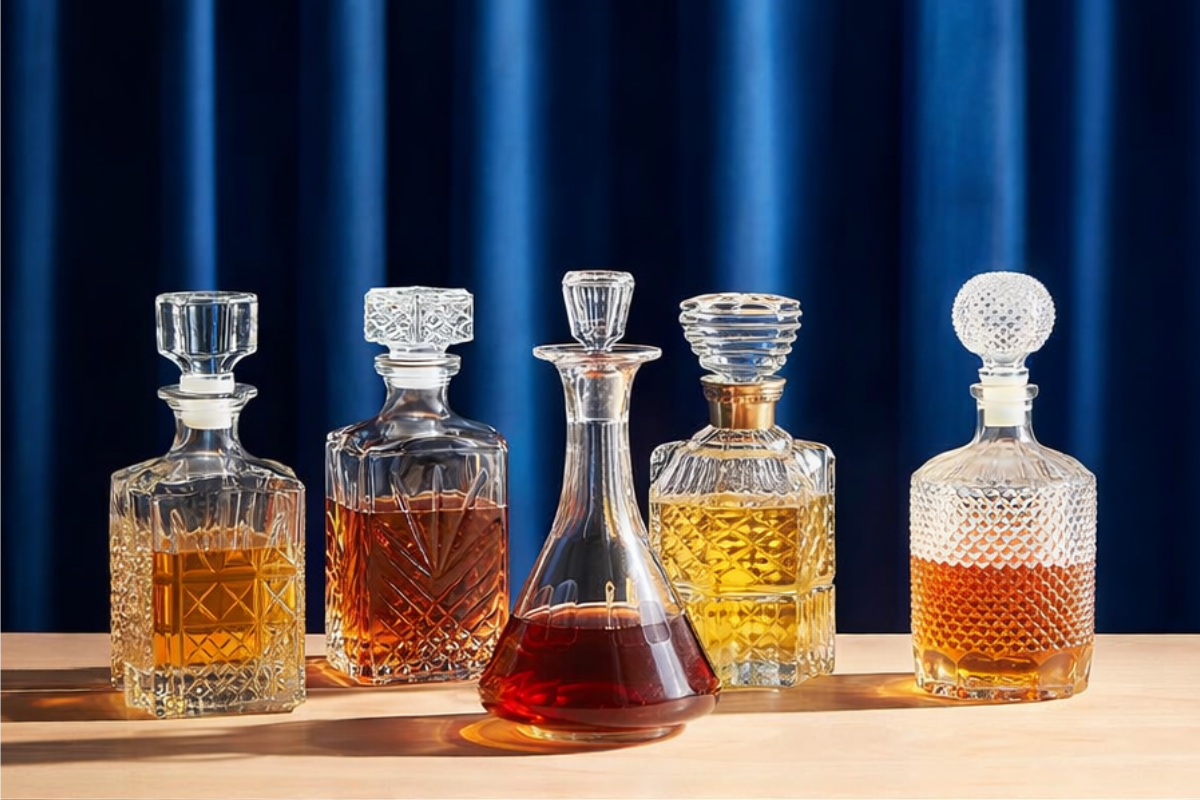
Caramel colouring might be one of the most debated ingredients in modern spirits. Labelled as E150a, it’s a form of plain caramel made by heating sugars, used primarily to adjust colour rather than flavour. You’ll find it most commonly in whisky, where producers use it to create consistency from batch to batch, ensuring the liquid in the glass matches what consumers expect on the shelf.
Supporters argue it’s a practical tool. A way to standardize appearance without materially affecting taste. Critics see it differently.
They question transparency, authenticity, and whether colour should be left to reflect the natural interaction between spirit and cask.
So where should the line be drawn? Does E150a serve a legitimate role in spirits, or has it become a crutch for perception over substance? We asked three voices from across the industry to weigh in.
Our experts were assigned a side of the question to argue, however, this is not necessarily their personal stance on the subject; rather it’s meant to spark thought and conversation about this topic.
Caramel Colouring Belongs

Sarah Jeltema | @whiskynomad
Caramel colouring in whisky tends to trigger strong reactions. Some see it as manipulation. Others see it as harmless. My opinion? The truth sits somewhere in the middle.
In theory, whisky drinkers shouldn’t judge a bottle’s flavour by its colour. In practice, they do and they always will. Darker is often interpreted as older, richer, and more oak-influenced. That bias isn’t going away. Humans are visual. We form expectations before we ever take a sip.
Colour often comes from wood extraction, and more extraction usually means more cask influence. But it’s not a reliable measure of quality. Two batches can look different and taste nearly identical, especially in Scotch, where refill casks and long ageing create natural variation. Bourbon is different. New, charred oak delivers deep, consistent colour quickly. Other whiskies aged in used casks show far more fluctuation. Different categories, different structural realities.
For smaller producers competing in a market where perception matters, stabilizing appearance can protect consumer trust. If caramel colouring is used, say so. Let consumers decide. After all, managing expectations isn’t villainous, it’s just business.

Andrea Fujarczuk | @andreafujarczuk
Caramel colouring has been intertwined with Canadian whisky history and heritage for generations. Canadian distillers have always been masters of blending; we do things differently, often creating products that are more diverse than those from other parts of the world. Colouring has always been a part of that tradition. For those who question its quality or authenticity, I would turn to Scotch as the golden standard of whisky, which permits spirit caramel in its regulations as well. It’s not used to “cheat”; it’s used as a tool for uniformity and ensuring the integrity of the spirit.
Caramel Colouring Needs to Go

Julie Federman | @redlipwhiskydiary
Can you be "catfished" by a whisky? Catfishing is the practice of intentionally deceiving someone to lure them in. The addition of E150a caramel colouring is a similarly misleading practice that falsely reflects the colour of whisky. Not only does it perpetuate a false expectation of what whisky can and should look like for consumers, but it also encourages a distillery to prioritize appearance over its integrity.
In either case, the normalization of caramel colouring in whisky creates a vicious cycle of dependence on an additive that has no other benefit to the whisky or consumer aside from its fictitious appearance. A whisky's honest colour can sometimes give us clues about the age and type of casks used for maturation. The irony for whisky drinkers is that many additive-free favourites are pale straw coloured, and the addition of E150a can make it even more challenging to identify similar offerings.
In a world where our food and beverages are increasingly over-processed and chock-full of additives, consumers deserve transparency so they can make more informed buying decisions.

Theresa Smith | @canadianwhiskysmith
Caramel Colour has no place in whisky making. While proponents may claim it's about batch consistency, at its core, it's about deception. Some brands add it to make batches look the same, but others use it to create an illusion. They go so overboard that their naturally golden spirit looks black as sin! And it is a sin.
In the past few decades, we've seen mandates to add caloric info to menus, bans on red dyes in candy, and an overall increase in awareness about nutrition. Yet, there are no rules requiring producers to tell you what, if any, additives are in a bottle of whisky.
Instead, we have brands going out of their way to tell consumers when they are not using caramel!
Consumers deserve better. If inconsistent batch colour is a concern, use tinted bottles. At least that serves a secondary function of reducing UV damage.