
Chichibu Distillery: A Long Way for a Little Whisky
A trip into the mountains of Saitama reveals just how much work goes into making whisky at Chichibu.
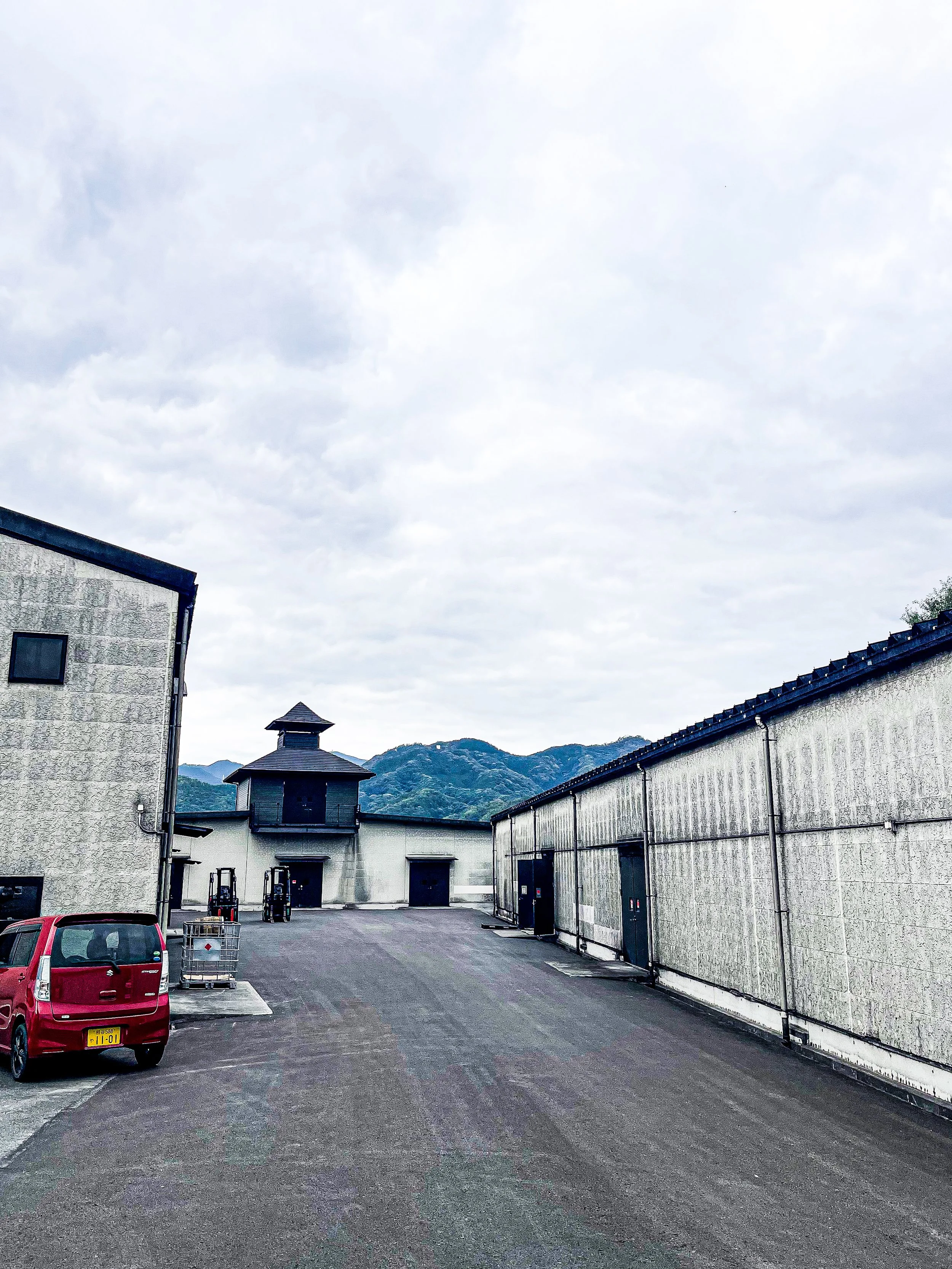
With only a few days in Tokyo, there was no shortage of things to see, eat, and drink. But being just a couple of hours away from Chichibu Distillery, a relatively young producer that has helped put Japan's modern craft whisky movement on the map, was an opportunity I wasn't about to pass up.
So, I traded a day of exploring Tokyo for a train ride into the mountains of Saitama Prefecture.
About two hours northwest of Tokyo tucked into a mountainous landscape is Chichibu, a small city with a rather enormous reputation in the whisky world. Getting there involved navigating Tokyo's train system, watching the urban sprawl gradually give way to smaller towns and forested hills, and eventually arriving at Chichibu Station.
From there, I ordered an Uber for the final stretch into the mountains.
The roads narrowed, the landscape grew greener, and somewhere along the way, it became increasingly apparent that this wasn't going to be your typical distillery visit.
For one thing, Chichibu doesn't offer public tours. You need to know someone, or at least know someone who knows someone, to get through the door. Fortunately, I'd managed to arrange a visit (thank you Austin and Yumi) and was greeted by Hikaru Masuda, a member of the distillery's production team.
Hikaru was soft-spoken and almost immediately apologized for his English, explaining that it wasn't very good. He then proceeded to deliver one of the most detailed explanations of whisky production I've encountered on a distillery tour. In English.
As it turned out, he was also very funny.
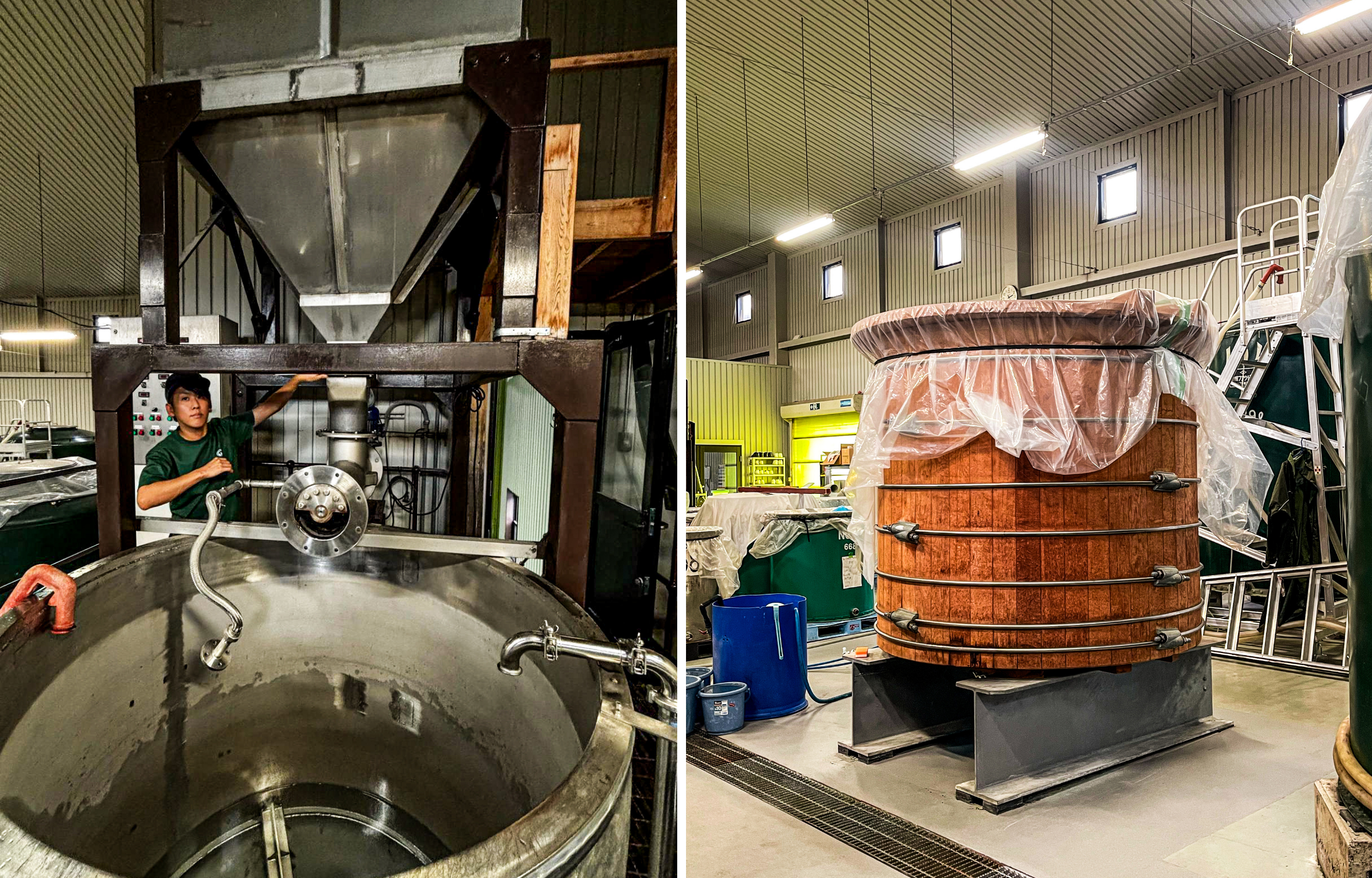
Small Distillery, Big Ambitions
Chichibu is the creation of Ichiro Akuto, a name that has become almost synonymous with the modern Japanese whisky movement. His company, Venture Whisky, was established in 2004, with production at Chichibu beginning in 2008.
While Japanese whisky has enjoyed an extraordinary rise in international popularity, Chichibu has developed something of a cult following. Its releases are often difficult to find, frequently expensive, and highly sought after by collectors and enthusiasts alike.
Yet, standing inside the original distillery, it's difficult to reconcile that enormous reputation with just how small the operation actually is.
Hikaru explained that the distillery produces approximately 70,000 litres of pure alcohol annually. For perspective, he compared that figure to some of Scotland's largest distilleries, which can produce a similar volume in a single day.
Everything felt scaled down. The equipment, the production spaces, even the distance between each stage of whisky-making.
But small doesn't mean simple.
"We care about quality and making whisky carefully every day," Hikaru explained.
And as we made our way through the facility, it became clear just how seriously that philosophy is taken.
Right Now, It's Just a Floor
One of the most interesting aspects of Chichibu is its commitment to traditional production methods, particularly its efforts to bring more of the whisky-making process under its own roof.
The distillery sources much of its malted barley from the United Kingdom, but a portion also comes from farmers in the surrounding Chichibu region. It's part of a much larger ambition to produce whisky that is genuinely connected to its environment, from the barley grown in local fields to the wood used for maturation.
They even have their own floor-malting facility, although no barley was being malted during my visit. As we stepped into the building, I looked around and asked Hikaru, "Oh, is this the malting floor?"
"Right now, it's just a floor," he replied.
Fair enough.
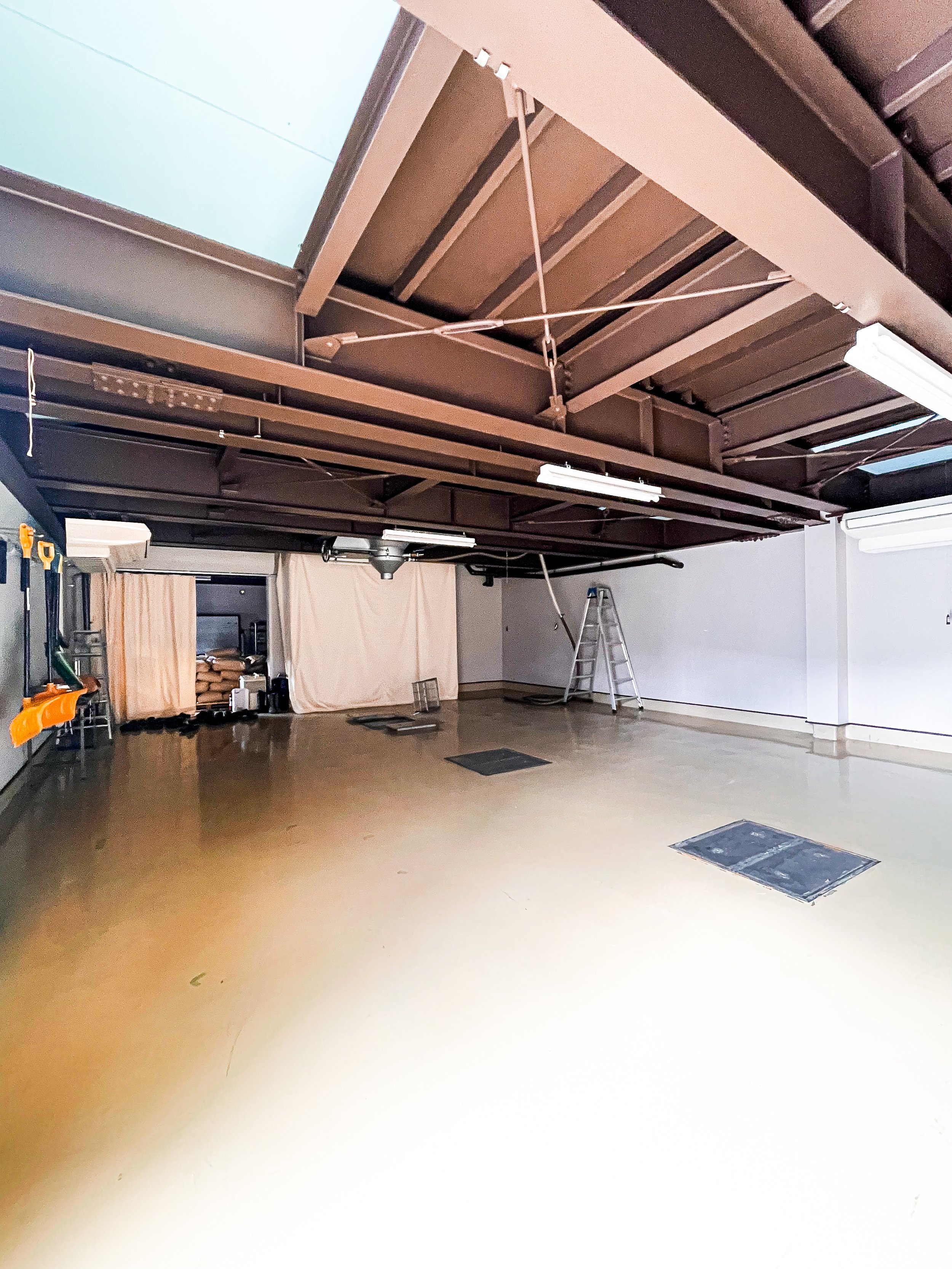
Floor malting, for those unfamiliar, is the traditional process of spreading germinated barley across a floor and regularly turning it as it develops the enzymes needed for whisky production. At Chichibu, the germinating barley is turned by hand using shovels, a labor-intensive and relatively inefficient process compared to modern industrial malting methods. But efficiency isn't necessarily the priority. Floor malting gives the production team a more hands-on approach to the process, allowing them to closely monitor the barley as it germinates.
The ultimate goal is to grow barley in Chichibu, malt it at the distillery, and age the resulting whisky in handmade casks produced locally.
The Curious Case of Mizunara
Moving into the production area, the first thing that struck me was the size of the equipment. Chichibu's distillery operates on a modest scale, processing approximately 400 kilograms of malted barley per batch, with a mash tun holding around 2,000 liters.
Surprisingly, the washbacks, the vessels where yeast transforms sugary wort into an alcoholic wash, were made from mizunara oak.
Yes, that mizunara.
Japanese mizunara oak has developed an almost mythical reputation among whisky enthusiasts, prized for the distinctive aromas it can contribute during maturation. Sandalwood, incense, coconut, and fragrant spice are frequently associated with mizunara-aged whisky.
It's also notoriously difficult to work with.
The wood can be porous, temperamental, and prone to leakage, which makes constructing watertight vessels particularly challenging. And it's expensive. Very expensive. So naturally, Chichibu decided to make enormous fermentation vessels out of it.
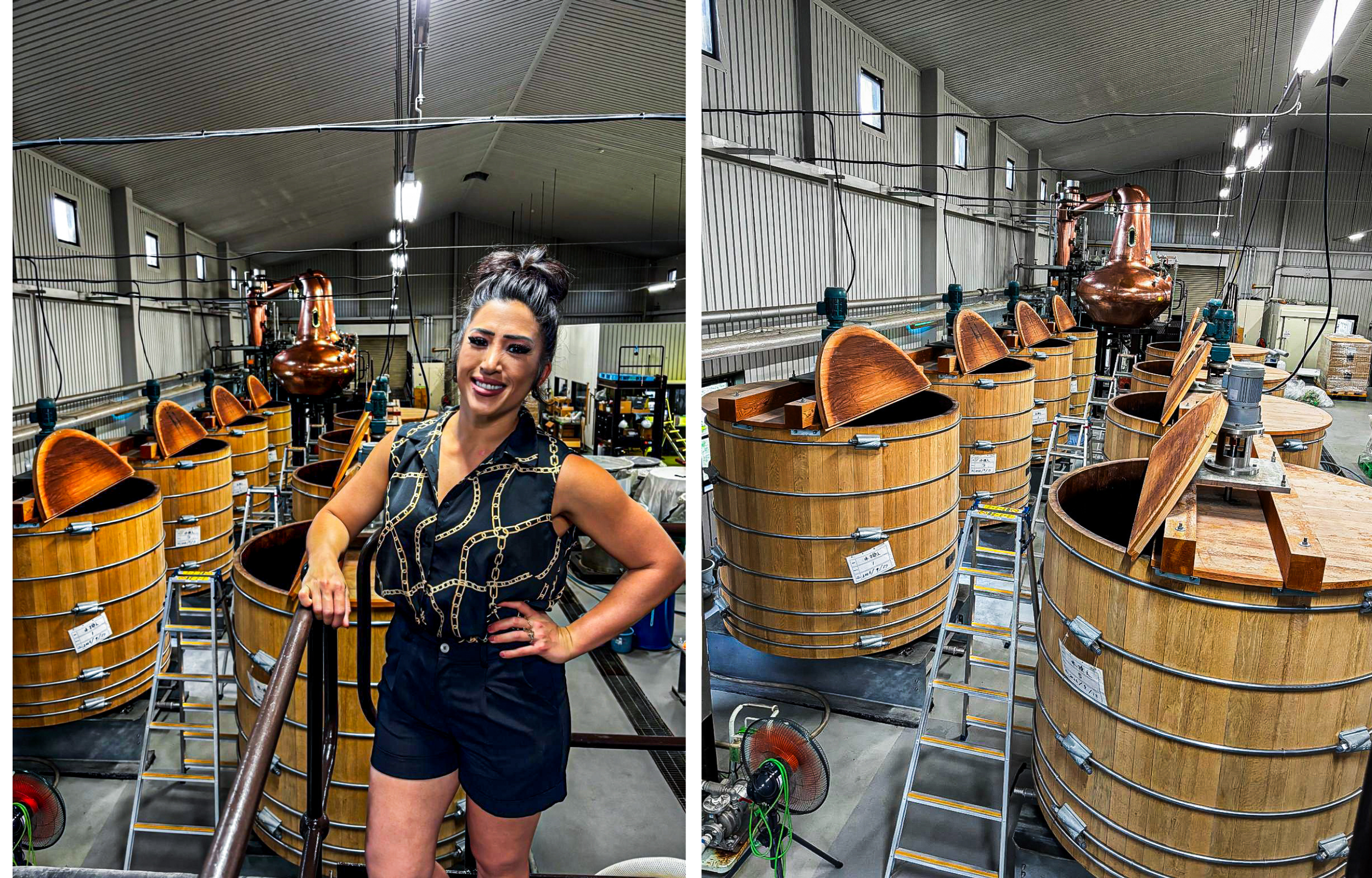
Hikaru explained that specialist craftspeople were required to construct the washbacks, a detail that made considerably more sense once I understood just how unusual they were. While stainless steel fermentation tanks are common throughout the whisky industry, wooden washbacks offer something different. The wood can harbor microorganisms that contribute to fermentation, particularly bacteria that influence the development of flavor compounds.
At Chichibu, fermentation lasts approximately four days. According to Hikaru, the first two days are primarily dedicated to alcoholic fermentation, while the following two allow lactic acid bacteria to play a more prominent role during a secondary fermentation.
He suggested that the mizunara washbacks help support this microbial activity, contributing to the development of additional fruity characteristics and complexity.
It's an intriguing distinction. We're accustomed to thinking about mizunara as something that influences whisky during maturation, but here, the wood is part of the conversation before the spirit ever reaches a barrel.
And because the washbacks aren't new casks being filled with whisky, their contribution isn't necessarily the familiar incense-like character associated with mizunara maturation. The potential influence is more closely tied to fermentation and the microorganisms living within the wood.
One Barrel at a Time
From fermentation, the wash moves into Chichibu's copper pot stills for traditional double distillation. Hikaru walked us through the process, explaining how the first distillation produces a low wine of approximately 25% ABV before a second distillation separates the liquid into heads, hearts, and tails.
Only the heart, the carefully selected middle portion, continues toward maturation. The heads and tails are collected and returned to subsequent distillations, helping preserve desirable flavor compounds while managing the spirit's character. It was here that I asked about production yields.
After a little back-and-forth, Hikaru explained that the distillery produces approximately 200 litres of spirit per production day.
"So, one barrel?" I asked.
"Yes."
There's something rather wonderful about that.
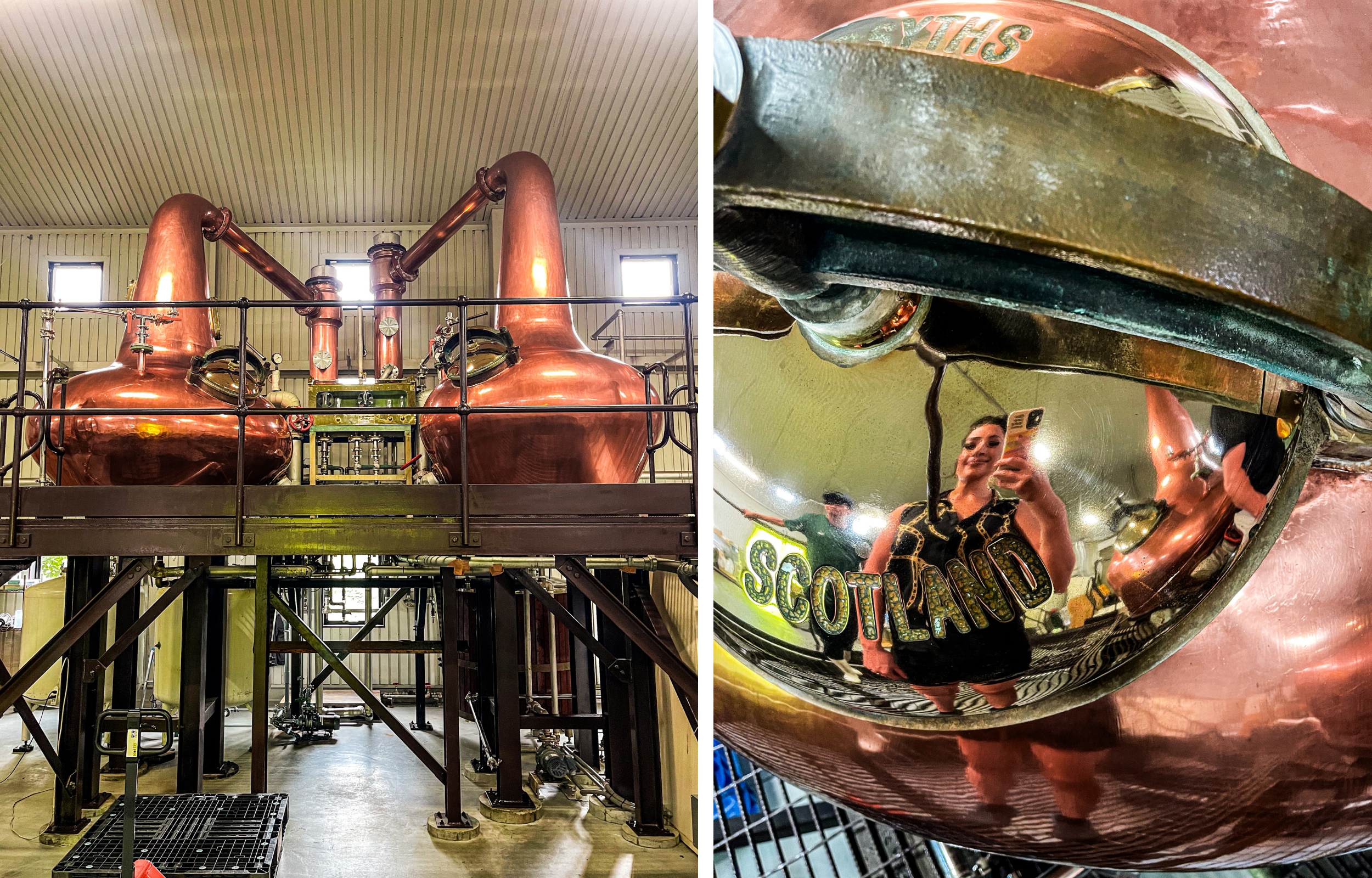
In an industry where production volumes are so often discussed in millions of liters, Chichibu's original distillery operates at a scale where you can imagine a day's work eventually finding its way into a single cask.
The new make spirit comes off the still at approximately 70% ABV before being reduced to a filling strength of 63.5%.
And with that, we were off to see where Chichibu makes its own barrels.
A Few Minutes Down the Road
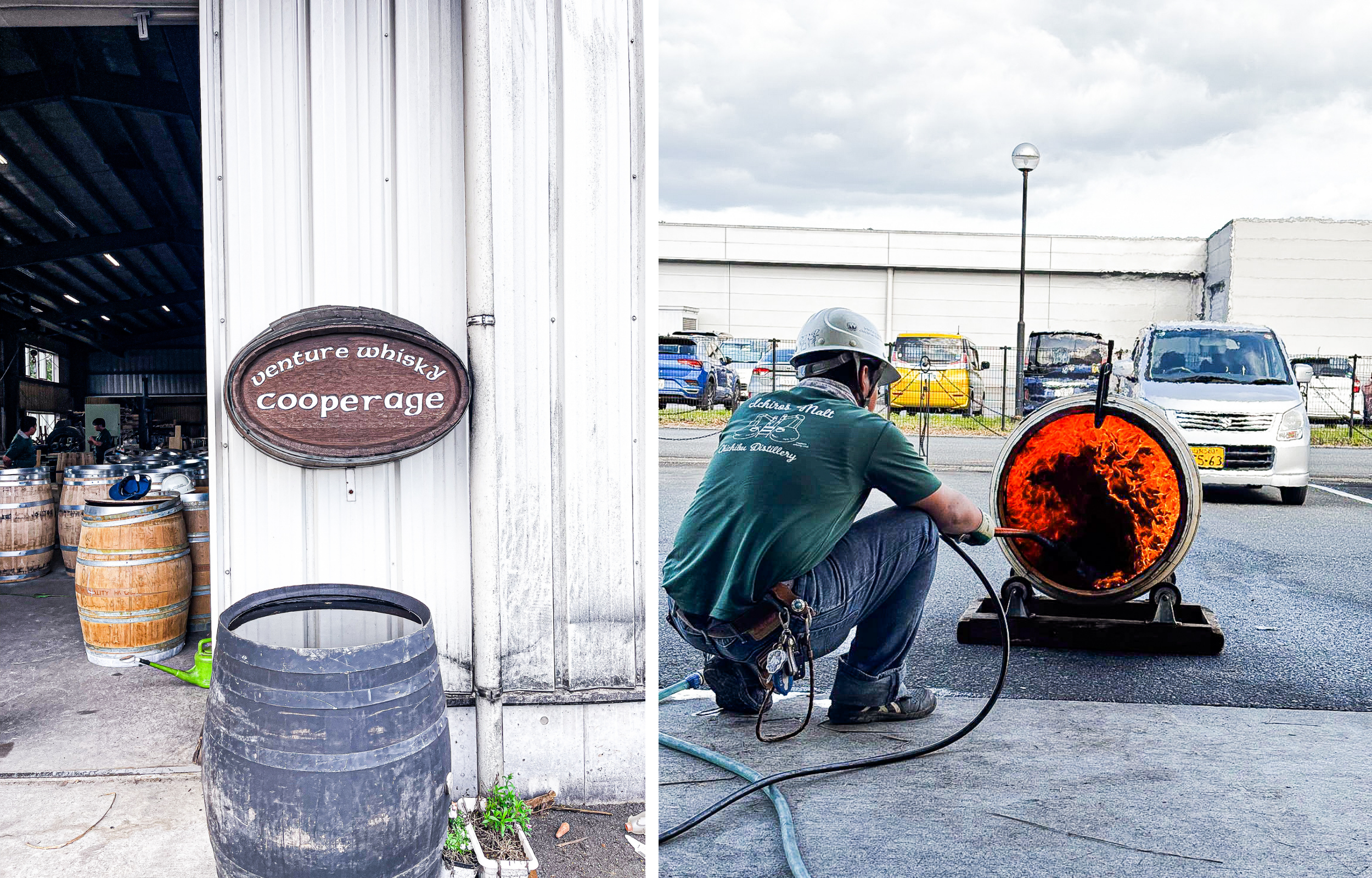
Just when I thought Chichibu couldn't possibly be doing more things themselves, we headed a few minutes away by car to visit their cooperage.
Yes, their own cooperage.
Here, a small team of craftspeople builds and works on casks, with a particular focus on mizunara oak. Mizunara is an unusual material for barrel-making. Its structure makes it challenging to shape and seal. Hikaru explained that the wood is seasoned for approximately three years before being used, allowing it to dry and become more suitable for cooperage.
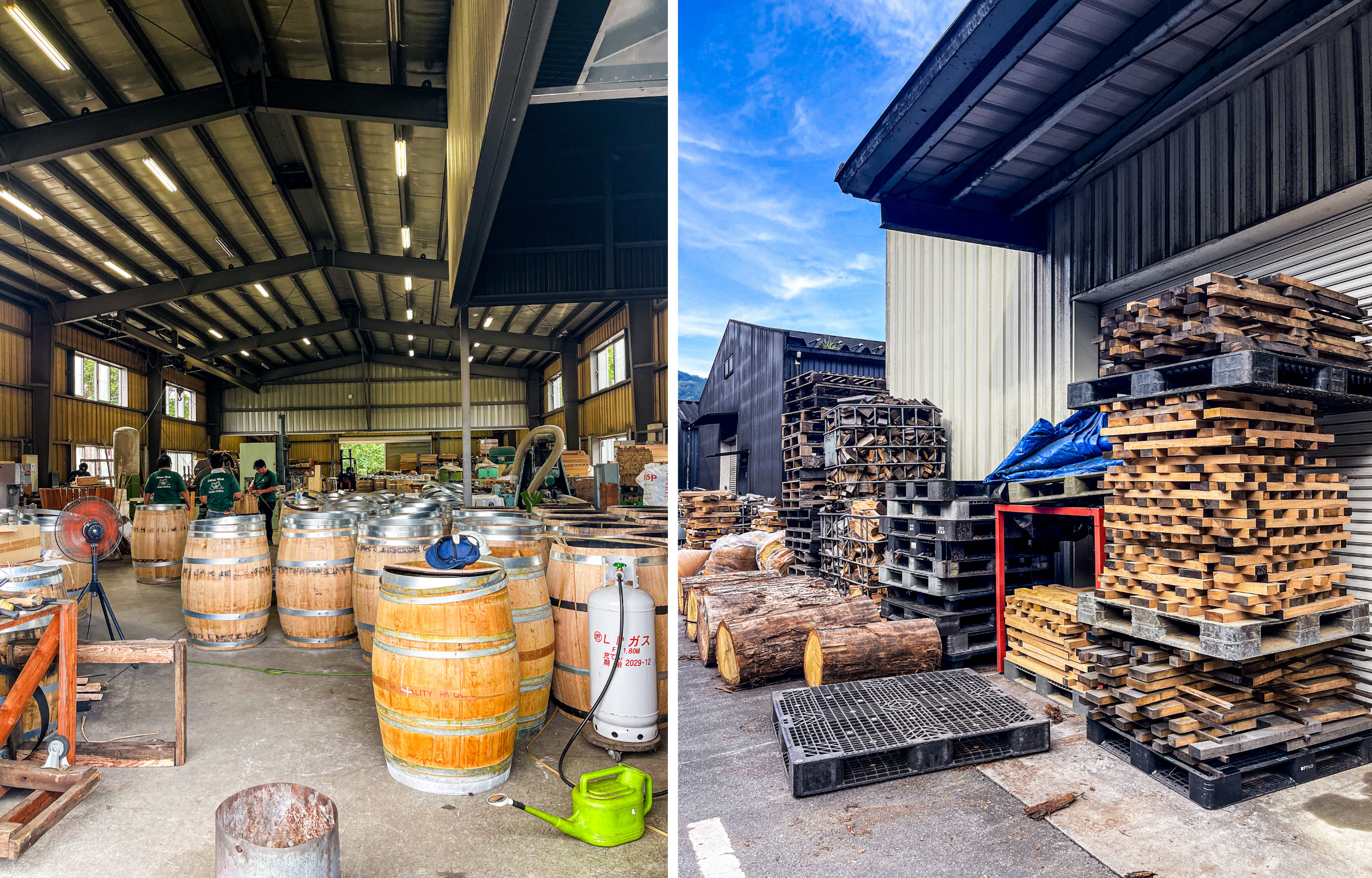
We learned about the different stages of construction, from assembling the staves to heating, bending, toasting, and charring the barrels.
According to my notes, the process includes approximately 30 minutes of toasting, 10 minutes of bending, and a remarkably brief 15-second char, although the exact treatment depends on the cask being made.
The team also uses gama, a reed-like material, to help seal gaps in the wood. It's a particularly interesting solution given mizunara's reputation for being difficult to make watertight.
With six staff members and the capacity to produce approximately 250 casks annually, this is hardly an industrial barrel-making operation. The cooperage produces casks for Chichibu's own use rather than supplying other distilleries.
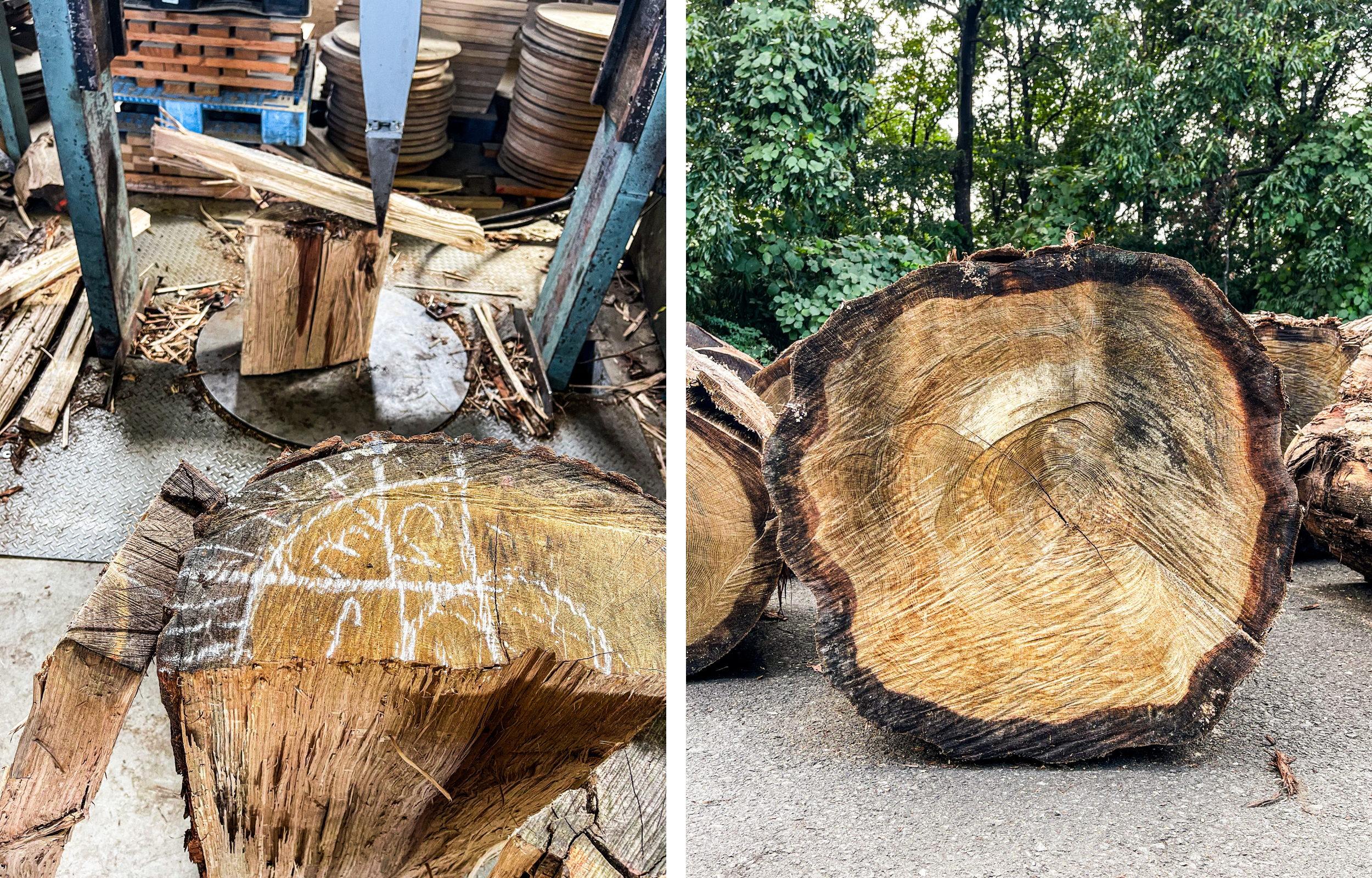
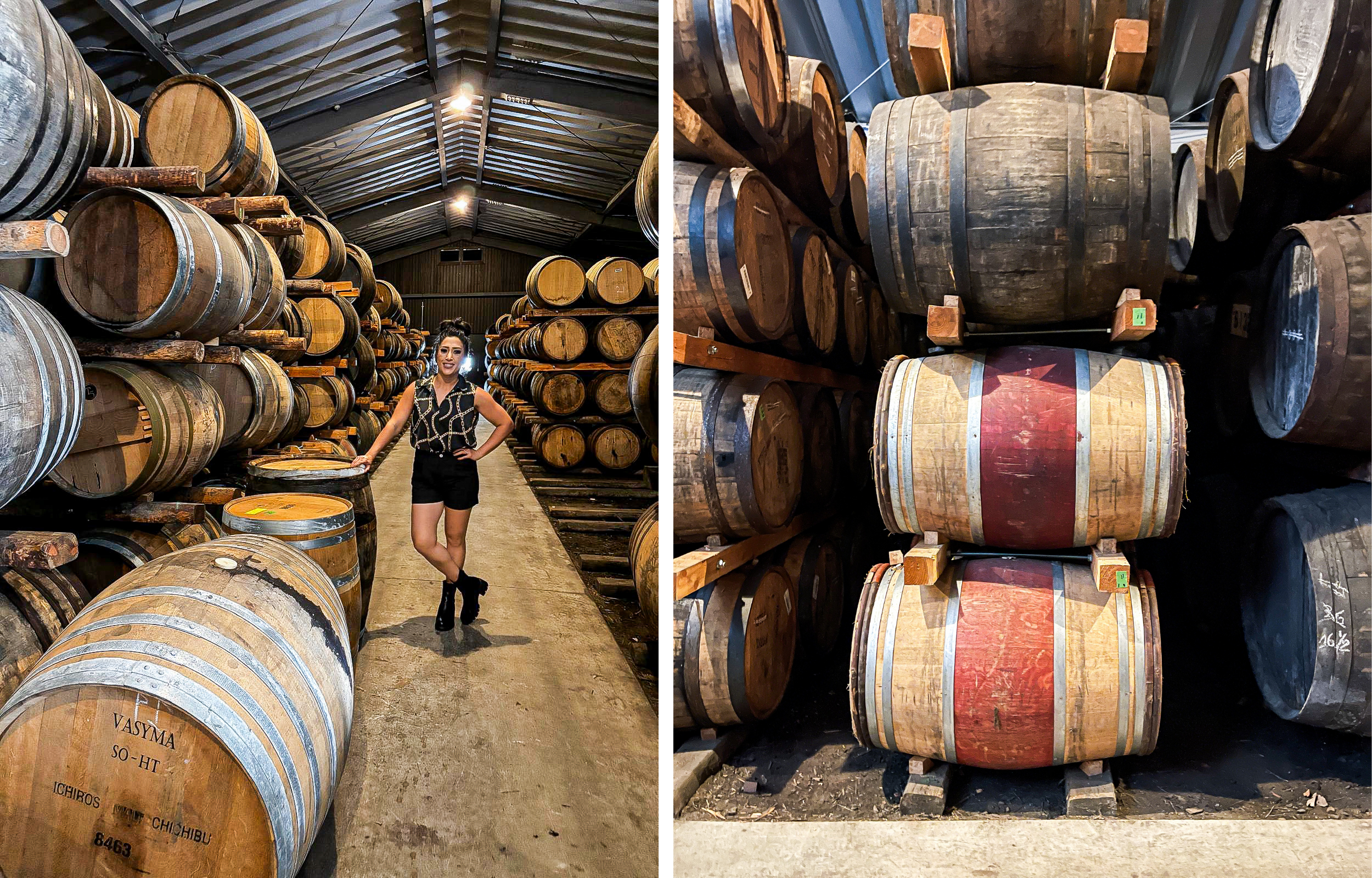
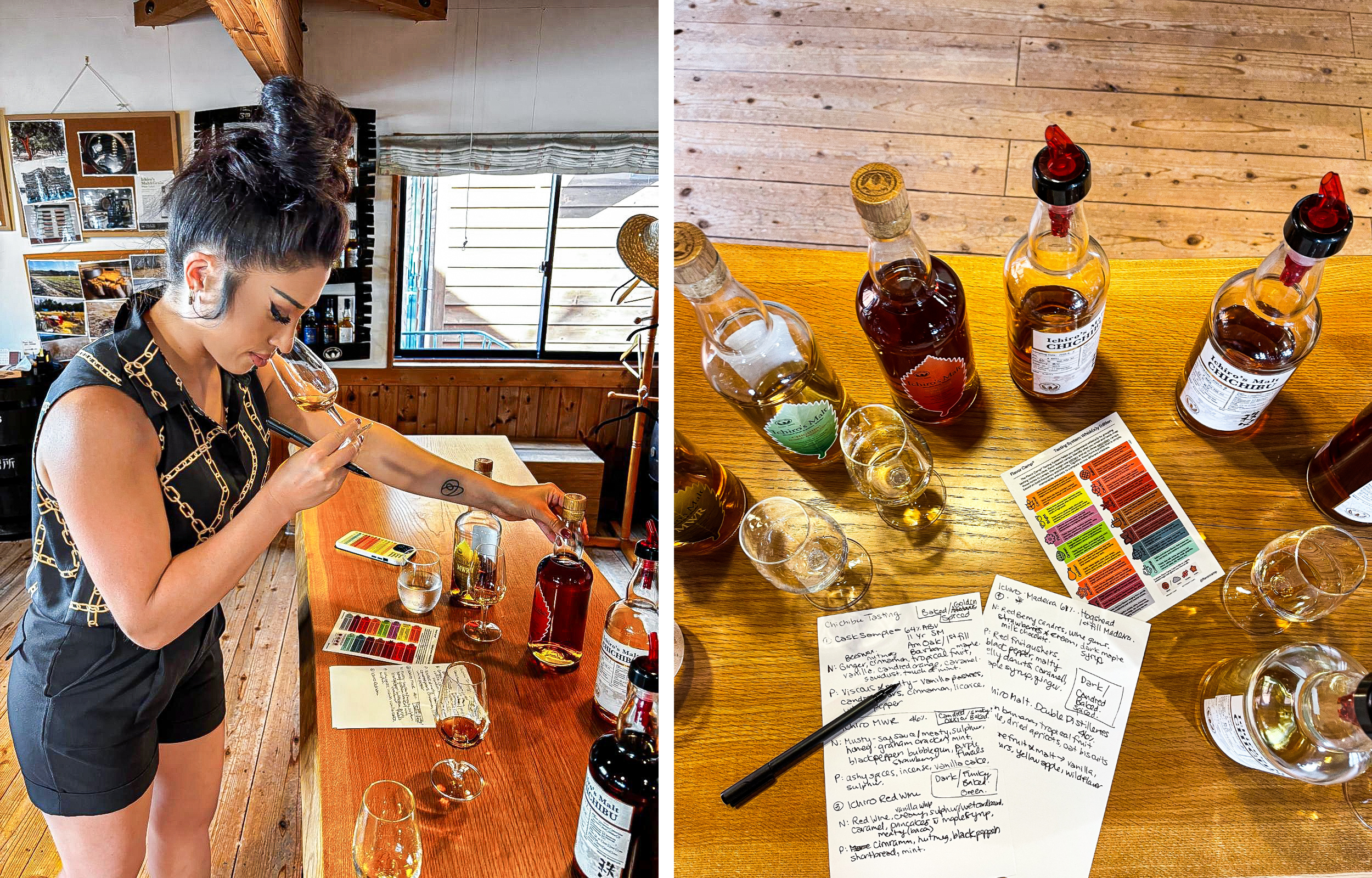
The whisky itself is matured exclusively in oak, but that doesn't mean the distillery limits itself to one approach. Across its maturation program, Chichibu works with different oak species and a remarkable variety of previous cask contents, including bourbon, sherry, red wine, port, Madeira, and Calvados.
Mizunara, unsurprisingly, holds a special place in the lineup.
Hikaru noted that mizunara can bring out yellow-fruit characteristics in their whisky, an interesting observation given how frequently discussion of the wood tends to focus on incense and sandalwood. It's a useful reminder that no single barrel type has an entirely fixed flavour profile. The interaction between spirit, wood, previous contents, and maturation conditions is considerably more complicated than that.
Shaped by Its Surroundings
Chichibu's warehouses are not temperature-controlled. That might sound like a relatively minor detail, but in this part of Japan, the seasons are anything but minor.
Summers in the Chichibu basin can be fiercely hot and humid, with temperatures climbing above 30°C. Winters bring freezing conditions, sometimes dropping well below zero.
Those dramatic seasonal fluctuations encourage the whisky to move in and out of the oak as temperatures change, creating a dynamic maturation environment.
They also come at a cost.
The angel's share, the portion of whisky lost to evaporation, can average approximately 3–5% annually, a considerable sacrifice when production is already so limited. But that variability is part of what makes Chichibu interesting. Its whisky isn't simply the product of a recipe or a set of production specifications. It's influenced by the place itself, from the locally grown barley and microorganisms involved in fermentation to the wood and changing temperatures of the surrounding mountains.
The environment isn't something Chichibu is attempting to eliminate from the equation, rather, it's something they're actively working with.
Worth the Journey
Between the floor malting, mizunara washbacks, and handmade barrels, Chichibu was doing considerably more in-house than I'd expected.
A dedicated malting floor. Mizunara fermentation vessels. A cooperage building its own casks. Local farmers growing barley. A production team working on such a small scale that it's hard to imagine how the operation remains commercially viable by modern whisky industry standards, or that we even have access to some of their expressions in Canada.
Chichibu could certainly make things easier on itself. But after spending an afternoon with Hikaru, it's clear that convenience isn't exactly driving the decisions here. And considering what they've managed to accomplish since opening in 2008, it's hard to argue with their approach.