
What Makes a $50 Martini Actually Worth It?
In London, many Martinis land around £20–30, which for a Canadian reads more like $40–60 CAD once the dust (and gratuities) settle. When a drink edges into that territory, expectation shifts. You’re no longer just ordering a cocktail. You’re buying into a standard. A promise that something about this Martini will justify the price, whether that’s the liquid itself, the way it’s made, or the way (and where) it’s delivered.
We went looking for that answer inside some of London’s most iconic bars. Not to rank them, but to understand what’s actually being paid for. Because once you strip the Martini back to its essentials, there’s nowhere to hide. No sugar, no citrus, no distraction. Just spirit, dilution, temperature, and intent. And at this level, every one of those decisions shows.
It Starts With the Liquid: Premium Spirits Are Non-Negotiable
Before technique, before theatre, before ritual, there’s the base.
Great Martinis begin with great spirits. Not just premium for the sake of it, but intentional. A gin with structure. A vodka with character. Something that holds its shape when diluted and chilled to the edge of freezing.
This is where most Martinis fall apart. The drink is so minimal that there’s nowhere to hide. No citrus. No sugar. No modifiers to smooth over rough edges.
If the base isn’t right, the whole thing collapses.
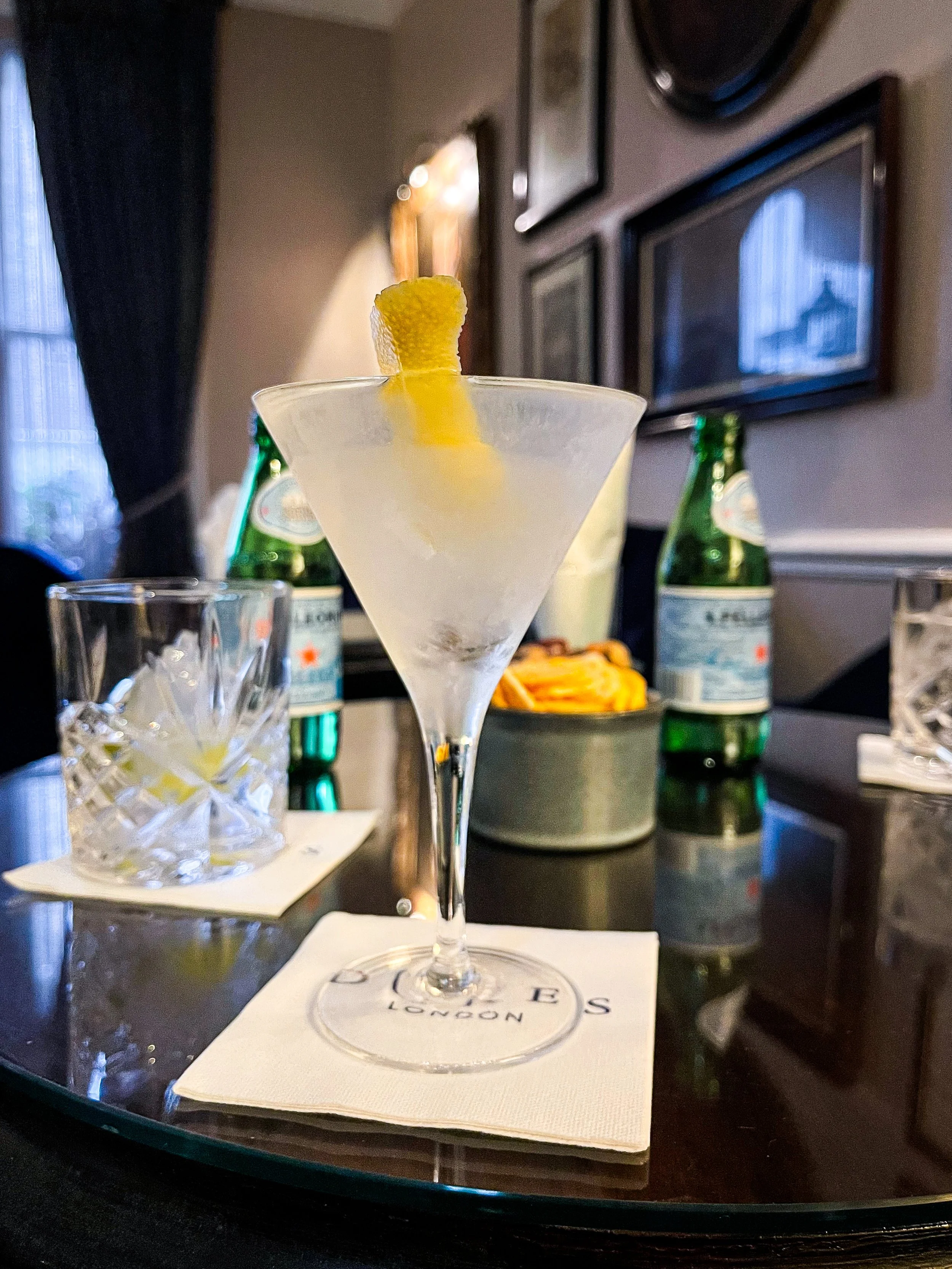
DUKES Bar
At Duke’s, the Martini is built on one uncompromising principle: temperature. Gin or vodka is pulled straight from the freezer, poured into a chilled glass with minimal dilution, creating a drink that is intensely cold, structured, and almost viscous in texture. Vermouth plays a whisper rather than a role, allowing the base spirit to fully take centre stage. The defining ritual comes midway through, when the server returns to top up your glass tableside, bringing it back to the brim and effectively extending the experience into a second Martini without ever resetting the moment. It is less about mixing and more about preservation, holding the drink at its coldest, most controlled state for as long as possible.
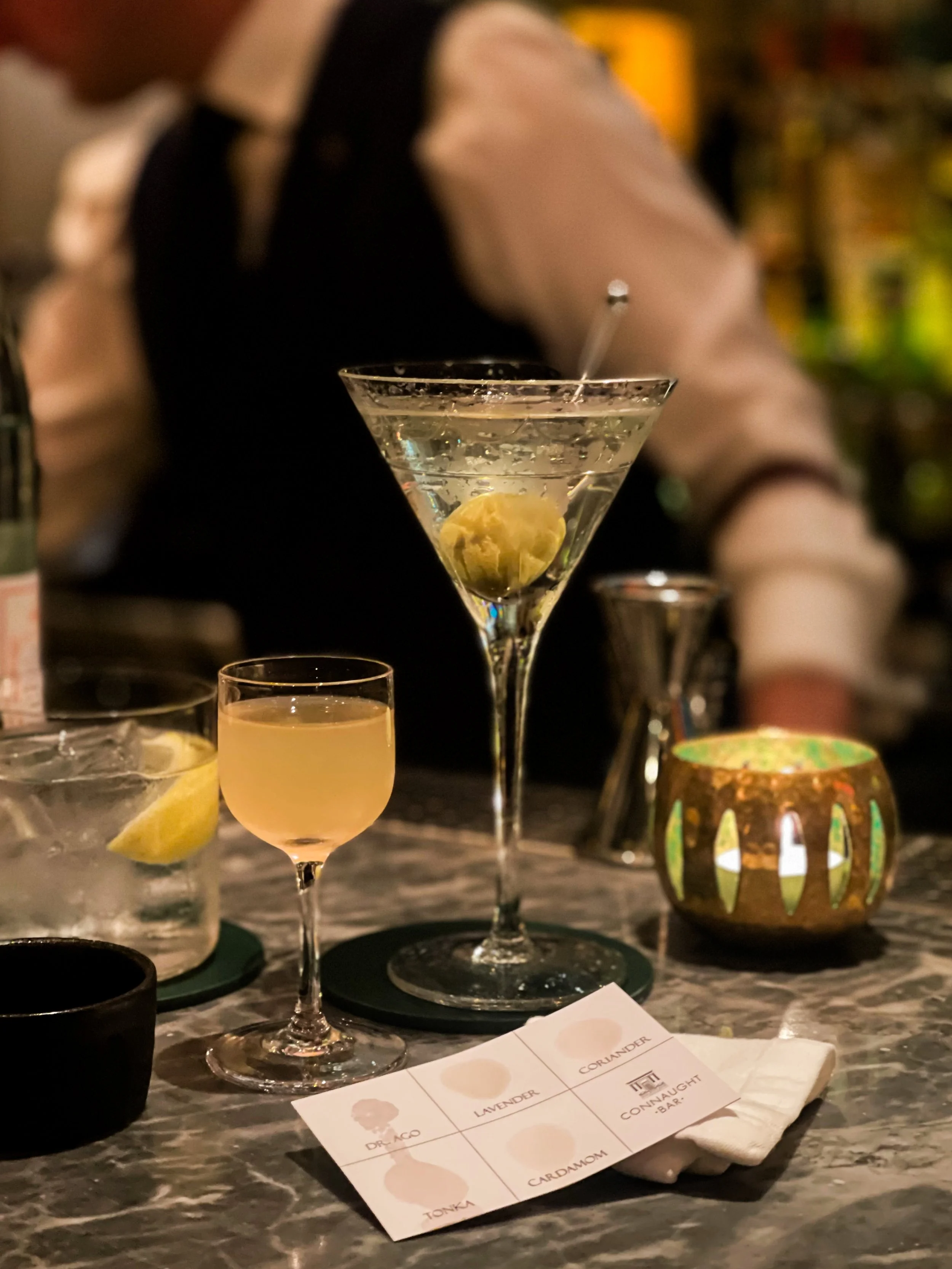
The Connaught Bar
At The Connaught Bar, the Martini becomes a study in precision and personalisation. Delivered via the now-iconic trolley, the drink is built tableside with a level of detail that turns each choice into a deliberate act. Guests are guided through selections of gin or vodka, but the real nuance lies in the bitters and garnishes, where a few drops can shift the entire profile toward floral, citrus, or spice. Stirring is exact, dilution is tightly controlled, and every movement is measured without feeling mechanical. The result is a Martini that feels tailored rather than templated, proving that even the most minimal cocktail can offer depth through subtle variation and expert calibration.
https://www.maybourne.com/en/hotels/the-connaught/restaurants-bars/connaught-bar
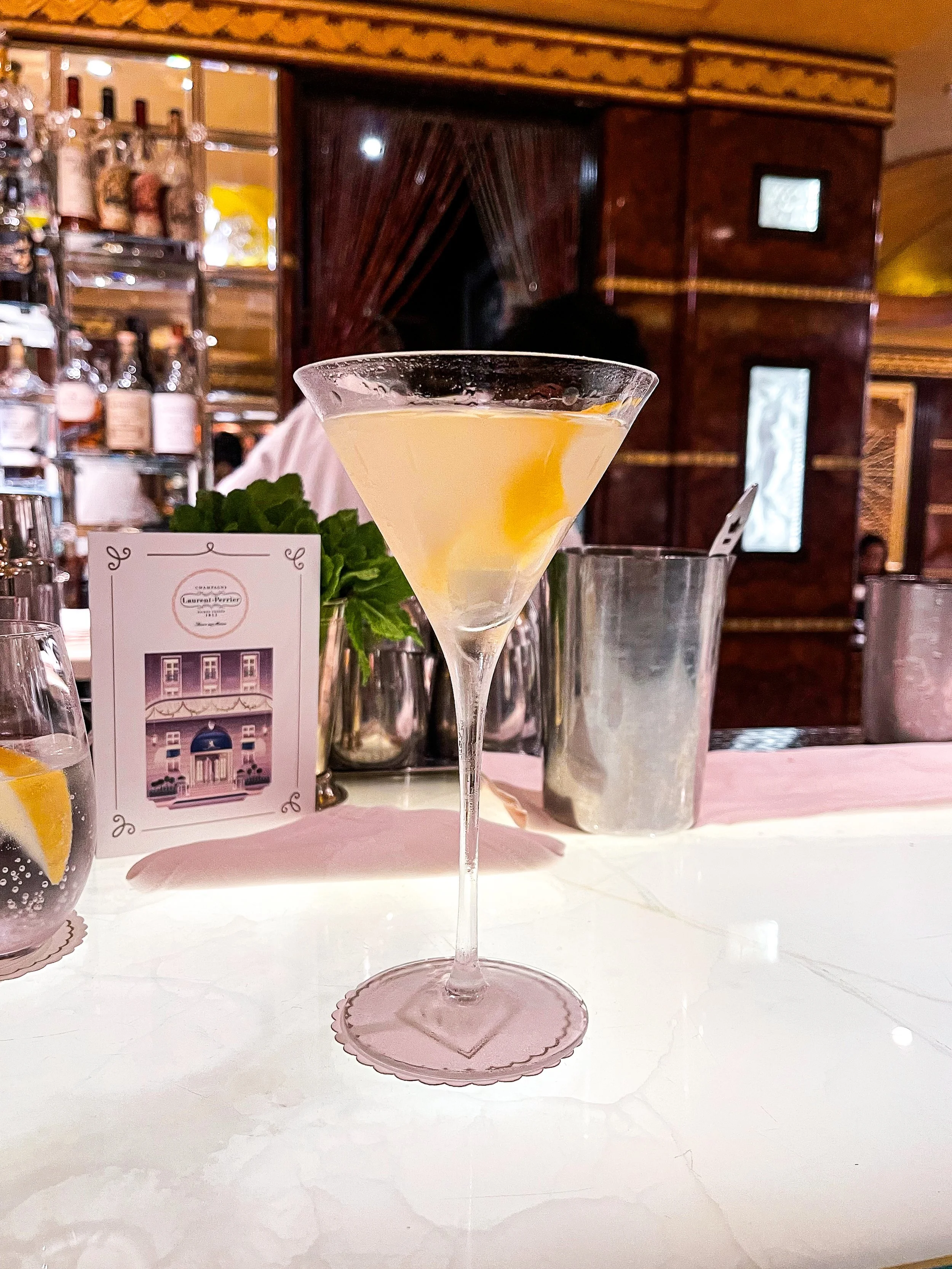
The Rivoli Bar at The Ritz
At The Rivoli Bar in The Ritz, the Martini is anchored in tradition but elevated through technique, most notably in their take on the Vesper. Combining gin, vodka, Lillet Blanc, and a subtle addition of China Elixir liqueur, the drink is shaken rather than stirred, a choice that increases dilution, lowers temperature rapidly, and introduces a lighter, more aerated texture. The process is meticulous, with a double strain ensuring a perfectly smooth serve, free from ice shards, and a lemon peel expressed over the surface to release bright, aromatic oils. Every step is designed to refine and polish, resulting in a Martini that honours its origins while delivering a distinctly modern sense of precision and balance.
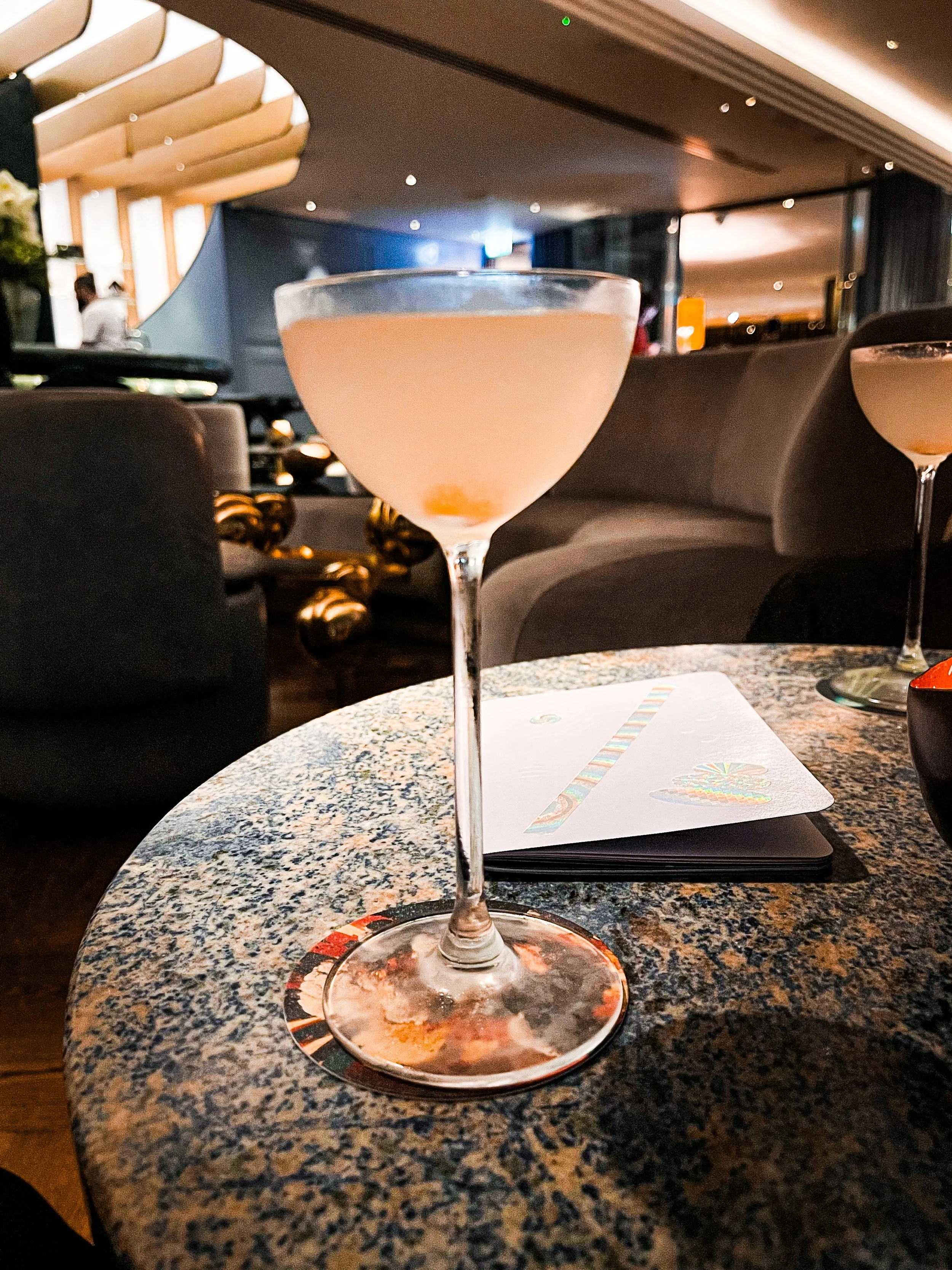
Lyaness
Lyaness takes the Martini and quietly dismantles its conventions with the Unfiltered Martini, a cult-favourite that leans into texture, weight, and a very different idea of clarity. Built from a two-ingredient blend of wheat-based vodka and fermented potato juice, the drink lands off-dry with a hazy, almost opaque appearance that signals what’s coming. This is not about pristine, crystalline precision. It’s about mouthfeel. The result is rich, savoury-sweet, and slightly oily, with a density that sits heavier on the palate than most Martinis dare to. Then, just as it threatens to go too far, it’s lifted with a garnish of gummy pearls that add a pop of brightness and a subtle tropical edge. It’s a Martini that challenges the category at every turn, proving that elegance doesn’t have to mean stripped back, and that sometimes, more is exactly the point.
So what actually makes it worth it?
Not one thing, and not even the liquid alone. It’s the accumulation of decisions, all made with intent and executed without compromise. Temperature treated as a tool, not an afterthought. Dilution controlled down to the second. Service that extends the life of the drink or reshapes it entirely in front of you. In London, the Martini becomes less of a recipe and more of a philosophy, one where simplicity raises the stakes instead of lowering them. At £20–30, you’re not just paying for what’s in the glass. You’re paying for the absence of error, the confidence of execution, and the feeling that, for a brief moment, this is exactly how the drink was meant to be.